Image
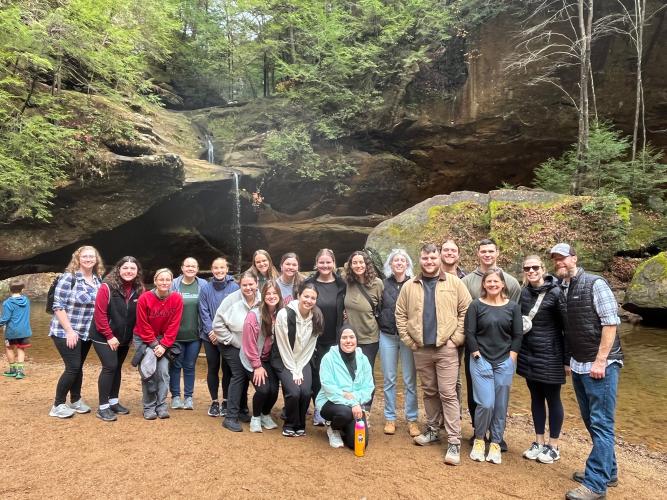
Rural Ohio continues to face significant challenges in providing obstetrical care, a reality highlighted at the 2025 Rural Health Scholars Retreat hosted by the Ohio University Heritage College of Osteopathic Medicine and sponsored by The Ohio State University Department of Family Medicine. The retreat, centered on Physicians Practicing Rural Obstetrical Medicine (PPROM), brought together students, clinicians and community partners to discuss strategies for improving maternal and reproductive health care in underserved areas.
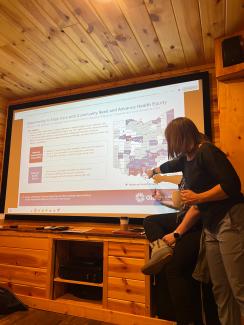
Thirteen of Ohio’s 88 counties are considered maternity care deserts, lacking obstetricians, midwives, hospitals or birth centers that offer delivery services. Closures of rural maternity wards, low Medicaid reimbursement and staffing shortages at clinics force many women to travel long distances for prenatal care and delivery. These barriers contribute to higher maternal and infant mortality rates in rural counties compared with urban areas.
The retreat highlighted programs designed to address these disparities including initiatives such as the Heritage College's Rural and Urban Scholars Pathways (RUSP) program, which provides medical students with hands-on experience in rural health care. Residency programs like Kettering Health’s Soin Family Medicine Rural Track have also steadily increased rural patient engagement. Additionally, community-based support programs have played a critical role in improving health outcomes in rural communities. Nurses and family navigators help women overcome social and logistical barriers, including transportation, housing and childcare challenges.
Stacy Lee, R.N. , from Heritage College’s Community Health Programs, explained, “Many poverty-related issues impede access to health care: food insecurity, unstable housing, unreliable transportation, difficulty obtaining and affording childcare, unpredictable shift work scheduling and inadequate social support.”
Programs providing telehealth and navigation services now extend to counties like Vinton and Noble, areas with no local maternity care.
“Supporting rural maternal health also means supporting the workforce, OB providers, nurses and others, who are stretched thin across large geographic areas,” said Lee.
Experts agree that improving rural maternal health requires long-term investment in families, stronger support for the health care workforce and innovative care models that combine clinical care with social support. By training future providers and connecting women to essential services, OHIO is taking steps to ensure safer and more equitable maternal outcomes across its rural communities.