
From cold to gold: How winter temperatures shape athletic performance
Cold isn’t just a backdrop at the Winter Olympics - it’s an active opponent. As temperatures drop, muscle power, endurance and even decision-making can suffer. Experts break down how the body reacts to cold and the strategies athletes use to stay warm, fueled and competitive on the world’s biggest winter stage.
Samantha Pelham Kunz | February 4, 2026
Share:
As the world’s best athletes take to frozen tracks, snow-covered courses and ice-lined arenas at the Winter Olympics, the cold is more than a backdrop, it is a force shaping every movement. From explosive starts on the bobsled track to endurance efforts in cross-country skiing, frigid temperatures alter how muscles fire, how quickly nerves transmit signals and how long the body can sustain peak performance. For Olympic athletes, mastering the cold is not just about mental toughness, but about understanding and working with the body’s physiological limits.
What Cold Does to the Muscles
Cold temperatures have a direct impact on muscle function, particularly during explosive or high-intensity movements.
According to Angela Hillman Ph.D., an associate professor in the College of Health Sciences and Professions(CHSP), colder conditions reduce muscle power and overall performance, especially when athletes are not adequately warmed.
“Even small drops in core temperature of about 0.5°C can measurably lower self-paced endurance output, so cold protection impacts both power and endurance,” Zac Martin Ph.D., an assistant professor in the Department of Exercise Physiology in CHSP, added. “Performance declines accelerate in cold, wet or windy conditions because convective and conductive heat losses rise sharply, increasing the likelihood of core cooling and hypothermia during longer sessions.”
According to Hillman, the relationship between temperature and performance follows a U-shaped curve: extremes on either end, very hot or very cold, can reduce athletic output. For endurance activities such as running, Hillman notes that optimal performance generally occurs between 4–20°C (40–70°F), with the “sweet spot” around 10–13°C (50–55°F).
“This is why marathons are in the late fall and early spring - those temperatures provide the best thermal gradient to the human for thermoregulation or sweating,” Hillman explained. “In the cold, perhaps the most important thing is to conserve temperature. When you go out into the cold with unprotected skin, the body will sense that and divert blood flow to the core and away from the skin - it's more important to protect the vital organs. If you continue to be exposed to cold temperatures, core temperature can lower.”
Lower core temperature will result in shivering which increases metabolic cost, burning through glycogen, which individuals will need for the actual exercise. Lower muscle temperatures are likely the cause of decreased power and muscle function.
Behavioral and Physiological Adaptations
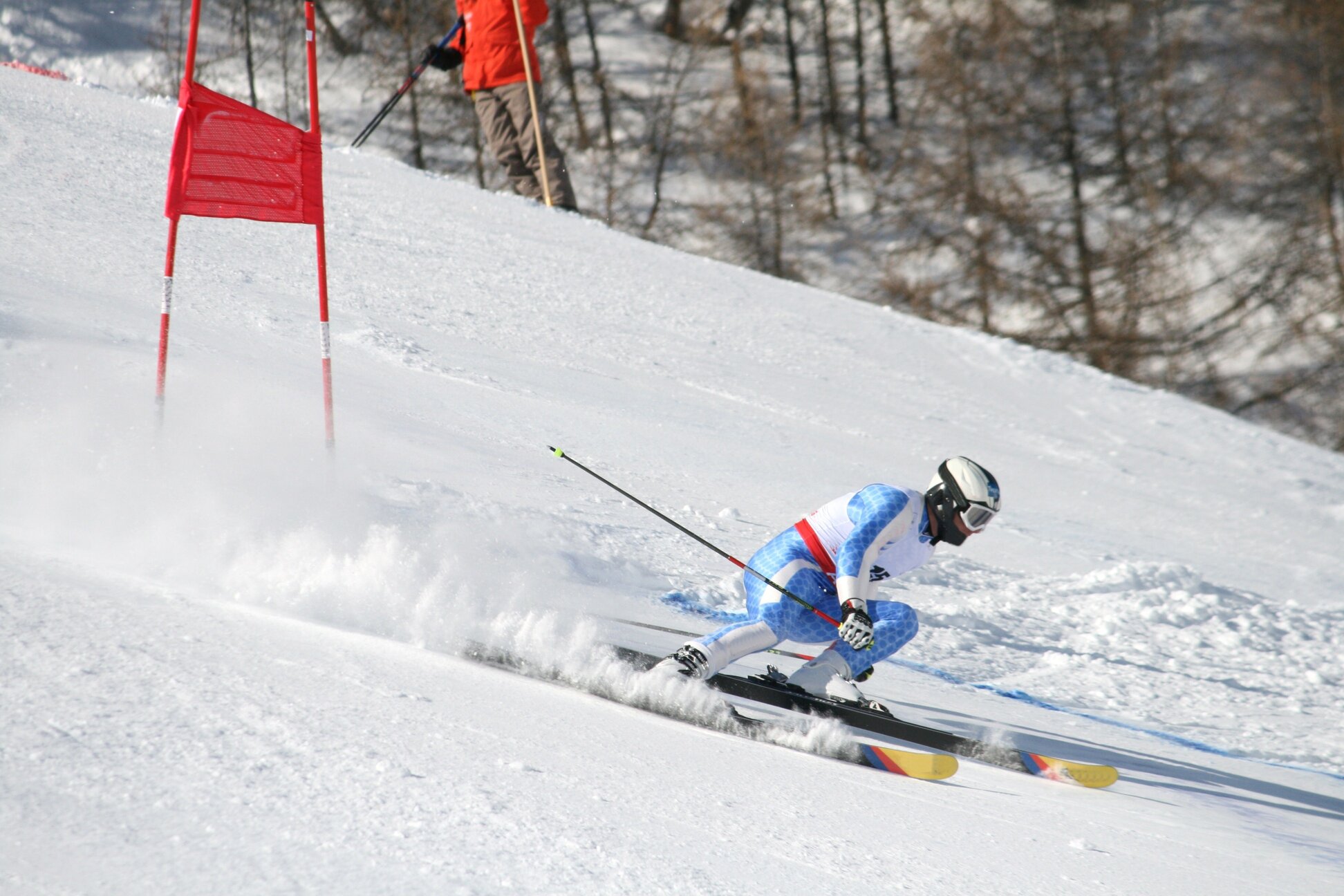
When exposed to cold, people instinctively adjust whether that is adding layers, covering exposed skin or bringing arms and legs inward to conserve heat. Well-trained athletes, however, often take a more strategic approach.
Hillman explained that athletes accustomed to cold environments typically wear fewer layers than recreational exercisers, knowing their activity will generate metabolic heat. The experts noted that avoiding excessive sweating is critical, since wet skin accelerates heat loss and creates additional thermoregulatory challenges.
Repeated cold exposure can also lead to subtle physiological adaptations. Adults may increase non-shivering thermogenesis, such as activating brown adipose tissue, shifting heat production away from shivering and improving comfort and coordination over time.
“Cold exposure redistributes blood centrally and can trigger cold induced diuresis, which, combined with a blunted thirst response, can quietly reduce hydration even when athletes feel like they’re sweating less,” Martin said. “Breathing cold, dry air increases respiratory heat and water loss and can provoke exercise induced bronchoconstriction in susceptible athletes, making airway protection an important consideration in winter sports.”
Short-Term vs. Long-Term Cold Exposure
While cold may simply feel uncomfortable to most people, the body responds differently depending on the duration and frequency of exposure.
“There is a belief that individuals who spend significant and repeated time in cold may become acclimatized,” Hillman said. “One simple way this helps is to increase vasodilation and blood flow to extremities like the fingers, to improve dexterity in the cold. For an individual performing fine-motor tasks during sport, like shooting, this would be very important. Additionally, cold acclimatization increases how long someone can be exposed to cold before they begin shivering - this would also be important for fine-motor tasks, but also for muscle coordination in general.”
One example is Korean diving women, who spend extended periods submerged in cold water and exhibit increased capillary density, allowing for improved blood flow and oxygen delivery to working muscles.
Local cold responses, particularly in the fingers and toes, may also adapt over time, though research shows mixed results and often requires rigorous exposure protocols that are impractical for most athletes.
High-Intensity Exercise in the Cold
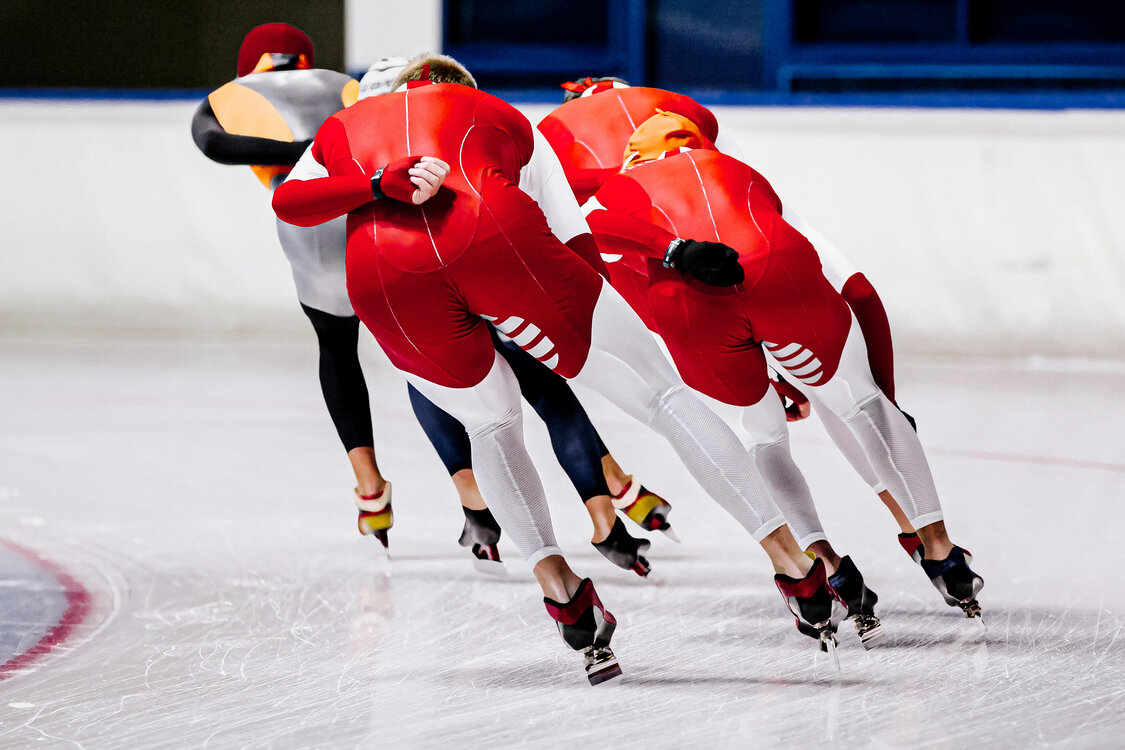
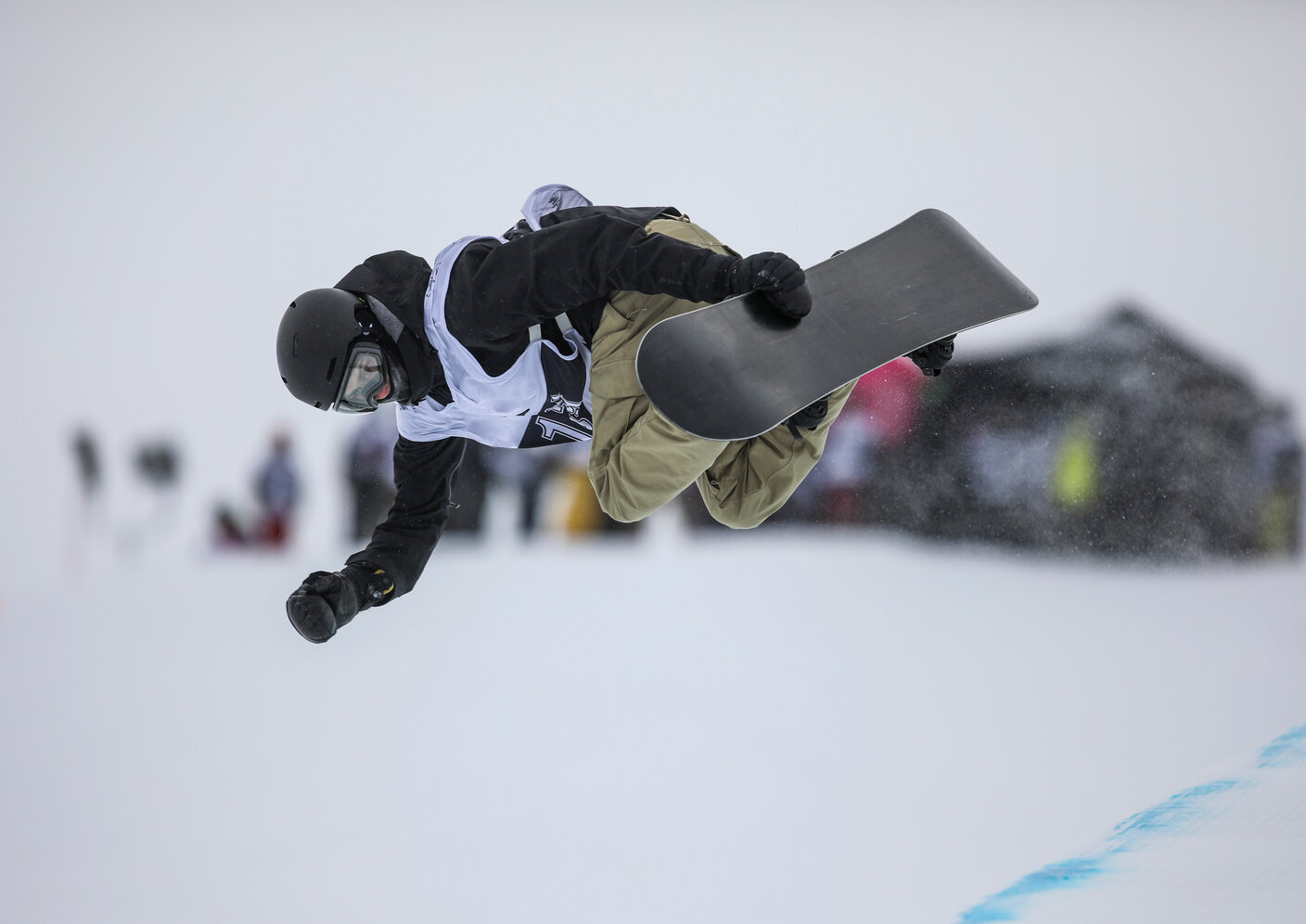
Cold environments also pose distinct challenges during high-intensity winter sports such as skiing or jumping events.
According to Hillman, explosive movements may suffer due to reduced coordination and muscle fiber recruitment. Short, high-intensity efforts may be less affected if athletes can warm up thoroughly and maintain muscle temperature before competition. Longer-duration events, however, are more vulnerable as glycogen stores are depleted, increasing fatigue.
“High ventilation in the cold can aggravate airway narrowing in athletes prone to asthma or EIB (Exercise-Induced Bronchoconstriction), and winter-sport athletes often use face coverings to protect against this,” Martin added. “For healthy athletes without underlying disease, cold exposure itself does not appear to increase exercise induced cardiac injury risk, but athletes with coronary disease may reach their angina threshold at lower workloads in cold air.”
Both experts emphasize that maintaining warmth generated during warm-ups, especially between competitive efforts, is critical for preserving high-intensity performance.
Which Muscles Are Most at Risk?
Smaller muscle groups and areas with less blood flow tend to cool more rapidly.
“This would be true mostly at rest, but during exercise the body has a way of maintaining temperatures in the extremities exposed to cold by cycling through vasodilation or increased blood flow and vasoconstriction, or decreased blood flow, to help maintain temperature. That would stop if the core temperature started to drop though,” Hillman said.
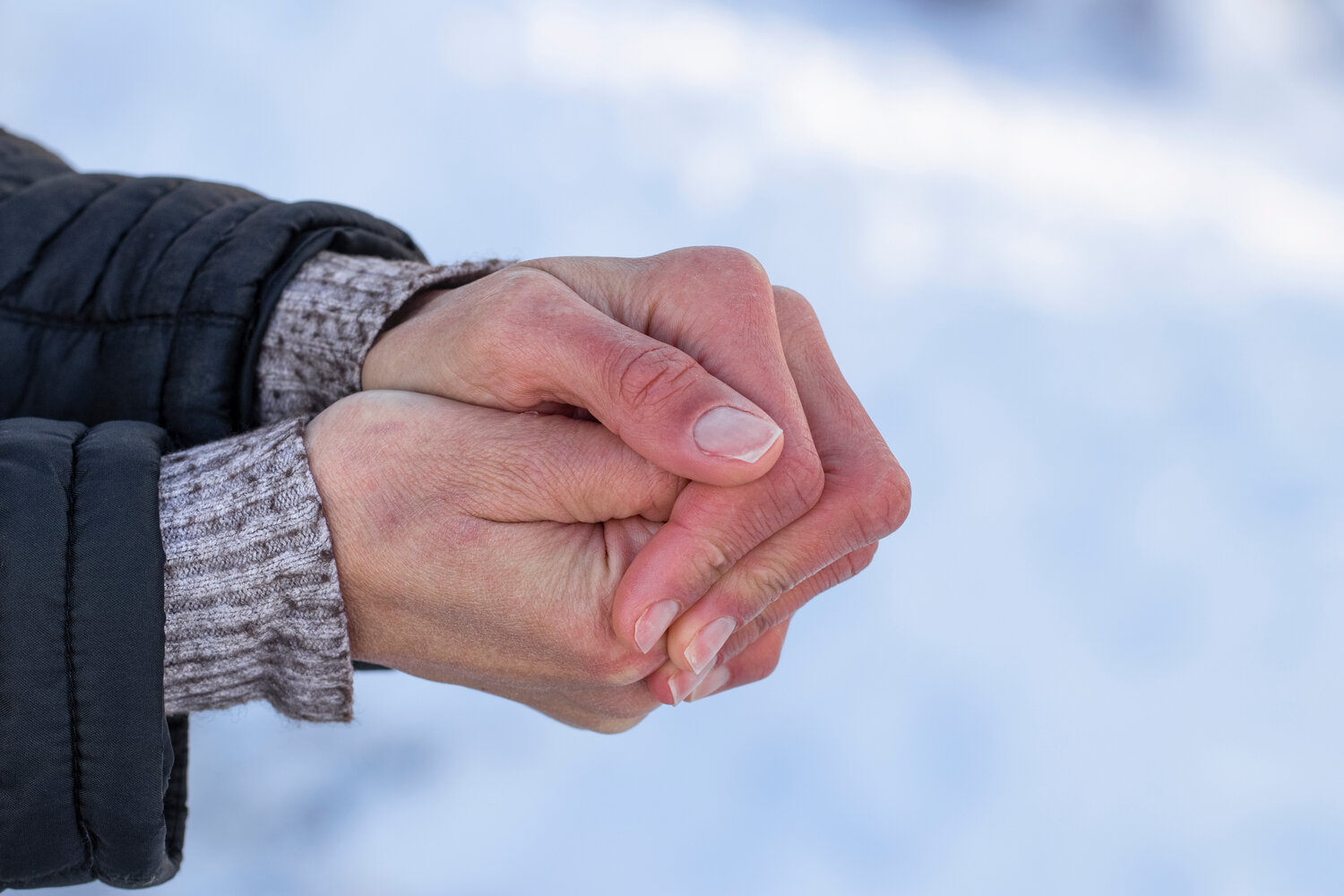
Martin adds that hands and feet are particularly vulnerable due to their anatomy and strong vasoconstrictive responses, making dexterity and fine motor control difficult in cold, windy conditions, however, maintaining core temperature is one of the most effective ways to preserve function.
The Critical Role of Warm-Ups
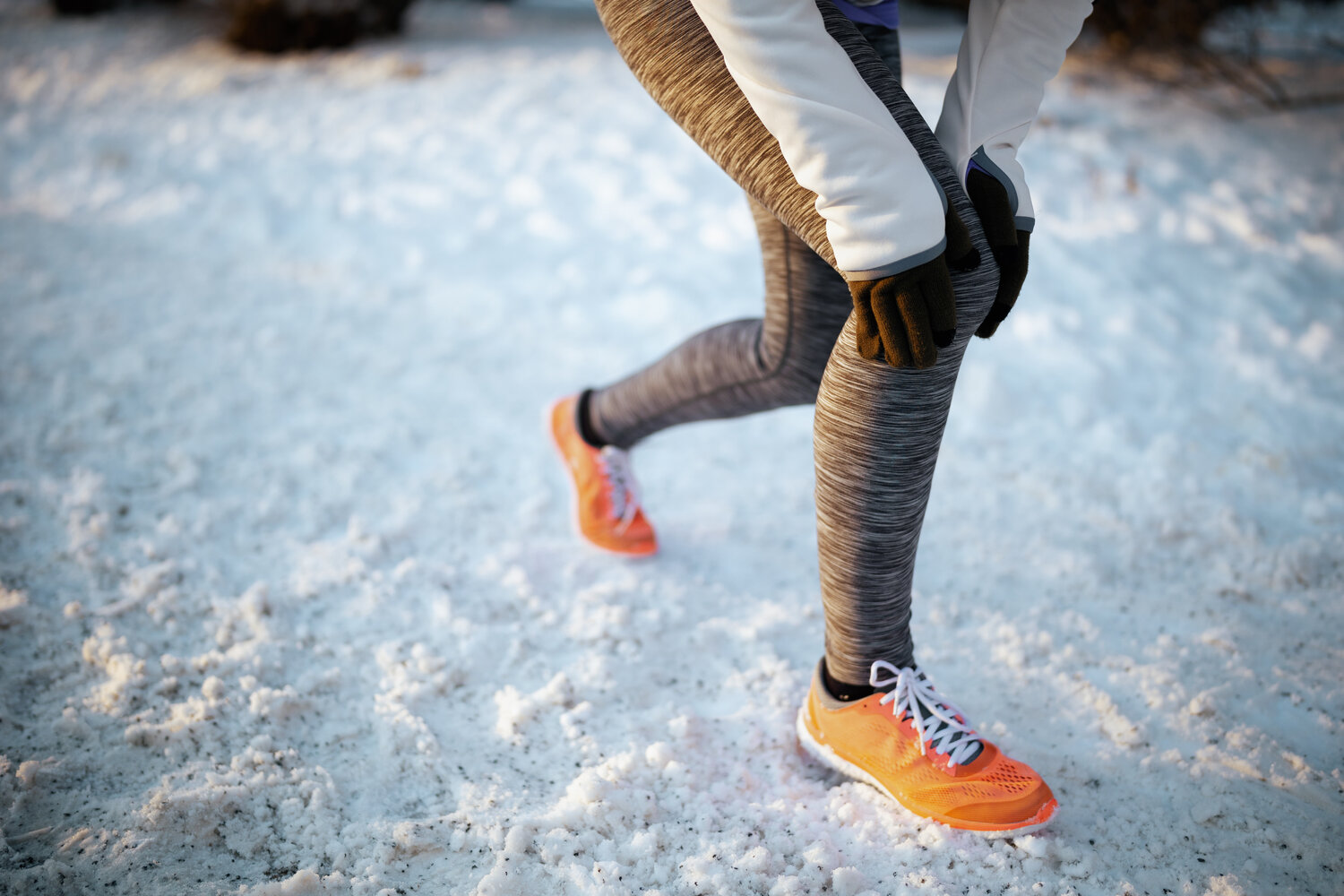
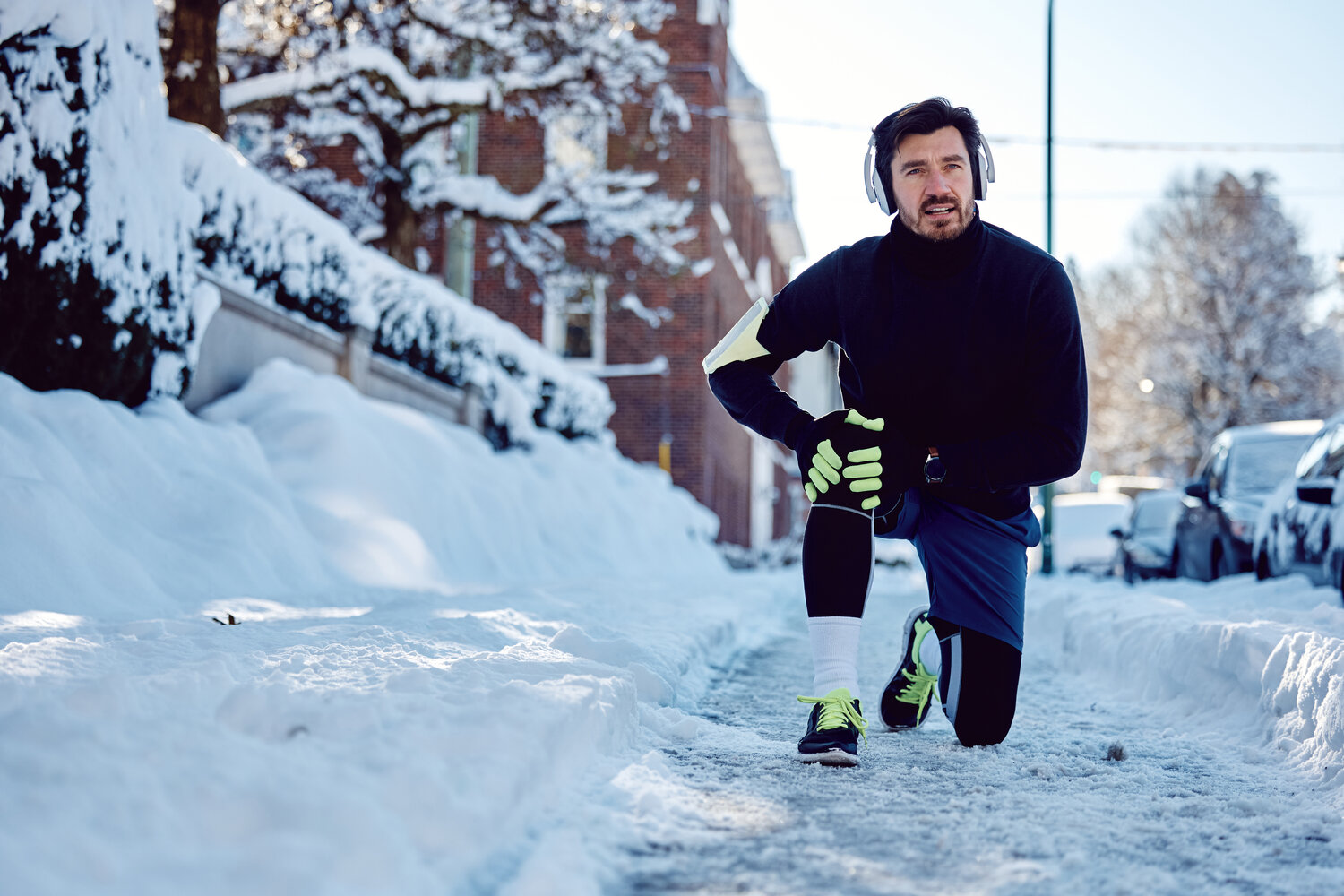
Warm-ups are essential in any environment, but they become non-negotiable in the cold. The goal is to elevate muscle temperature, improve force production and reduce injury risk.
Both Martin and Hillman stress the importance of retaining warmth after warm-ups, especially when delays occur between preparation and competition. Layered clothing, parkas or heated garments worn over competition attire can help preserve heat. Athletes prone to airway issues may also benefit from face coverings that warm and humidify inhaled air.
Effective warm-ups typically last 10–20 minutes, beginning with full-body dynamic movements and progressing to event-specific activities. Static stretching is best saved for later, once tissues are fully warm.
Dressing for the Cold
Beyond warming up, proper clothing is one of the most effective tools athletes have to combat cold exposure. Wind protection and moisture management are especially important.
Hillman encourages athletes to consider how much heat their activity will generate and to choose clothing that wicks moisture away from the skin. Hydration is equally important, as cold and dry air increases dehydration risk.
“If you have asthma or are sensitive to cold air, wear something over your face to help with warming and moisturizing the air you are breathing and consider doing shorter activities or training periods outside and supplementing with indoor activities, especially if temperatures are below freezing,” she said.
According to Martin, layering is key.
“Safety monitoring should increase when wind chill temperatures drop below about -18 °F, because exposed skin can frostbite in roughly 30 minutes or sooner. Cold, wet conditions dramatically increase heat loss, so athletes should carry dry backups and use shorter, segmented exposure when conditions are deteriorating,” he said.
Injury Risk in Cold Conditions
Cold exposure can increase injury risk by impairing dexterity, reaction time and decision-making, particularly in sports such as skiing, rugby and soccer.
“Not properly warming up or not wearing appropriate clothing can make this worse because of decreased skin and muscle temperatures, which can cause shivering,” Hillman added. “Overall, there are anecdotal reports of higher injury rates in the cold, mostly occupational not in physical activity, however not a lot is published on this.”
Non-freezing injuries such as chilblains and trench foot can occur during prolonged cold, wet exposure, even from sweat-soaked socks.
“Indoor ice-rink athletes face additional risk for airway irritation and EIB because of cold, dry air combined with poor indoor air quality from resurfacing equipment,” Martin said.
Fueling and Hydrating for the Cold
Nutrition and hydration play a major role in cold-weather performance. Energy expenditure can increase due to heavy clothing, challenging terrain and shivering if athletes are underdressed.
Hillman emphasizes the importance of replenishing glycogen after exercise with mixed macronutrient meals, especially during multi-day competitions.
“Cold weather sessions may increase total energy expenditure due to clothing, terrain and shivering if under dressed, so athletes engaging in long-duration outdoor sessions benefit from easily accessible carbohydrate sources and frequent snacks,” Martin said.
Cold air also increases respiratory water loss, while thirst cues are often suppressed. Conscious fluid intake becomes critical.
A fixed intake, such as 8 ounces per hour, can be a useful starting point, but Martin noted that monitoring urine color, frequency, and body weight changes provides a more individualized approach. Sodium-containing fluids may help offset cold-induced diuresis during repeated days of exposure.
As Winter Olympians prepare athletes to compete at the top of their game, cold environments add another layer of complexity. While fitness alone does not fundamentally change thermoregulation, it does allow athletes to sustain higher metabolic heat production for longer periods.
“Fitness level does not meaningfully change intrinsic thermoregulatory responses to cold, but more fit athletes can sustain higher metabolic rates longer, which indirectly helps maintain core temperature,” Martin said. “Some cold-tolerance practice can come from progressive, controlled environmental exposure, though the physiological adaptations are modest; practical gains usually come from improved pacing, clothing strategy and familiarity with equipment in cold conditions.”
Ultimately, cold weather doesn’t just challenge athletes but reshapes how their bodies work. With the right preparation, fueling, and protection, performance doesn’t have to freeze along with the temperature.