Image
UCM
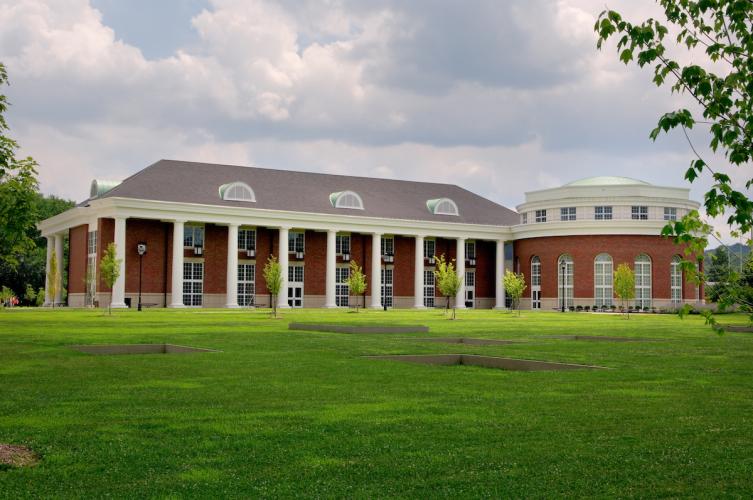
Walter Hall outside view
Ohio University Vice President for Finance and Administration David Moore presented an updated financial forecast for fiscal year 2026 to the Ohio University Board of Trustees at its April 17 meeting. Moore reported that the University reduced its planned use of one-time funds through improvements in revenue and expense management.
Student tuition and fees are projected to outpace the original FY26 budget due to increases in enrollments primarily across undergraduate programs in Athens, on regional campuses and OHIO Online. Similarly, room and board revenue is projected to be more than projected. However, resources from grants and contracts are projected to be less than budget primarily due to a delay in awards as a result of the federal government shutdown.
On the expense side, the scholarship investment increased as a result of positive enrollment results, offsetting a portion of the increase in tuition revenue.
Operations and maintenance expenses are also projected to fall over budget primarily due to unexpected repair and maintenance costs across Athens and regional campuses. However, salary and benefits as well as professional services costs are expected to come under budget as a result of the University’s work to reduce expenses as announced in the fall semester.
In total, the University’s increases in revenue and reductions in expenses reduced the planned use of one-time reserves for operations.
“We’ve made significant progress in working together to manage costs and improve revenues while also dealing with inflation in unavoidable expenses,” Moore said. “We still have work to do as we look ahead to fiscal year ’27 and begin multi-year budget planning.”
Also reflected in Moore’s report was an increase in the capital plan for major projects such as the Chaddock + Morrow College of Fine Arts facility renewal. Moore noted that funds were previously set aside in reserves for these capital projects; the adjustment was not in project cost but rather in the timing of funding transfers.