Image
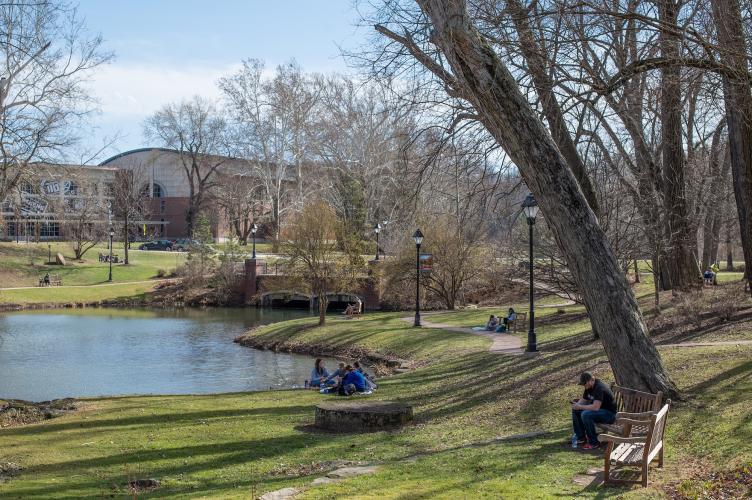
Three faculty members were recognized by Ohio University as March 2026 Faculty Newsmakers. Learn more about their media mentions below:
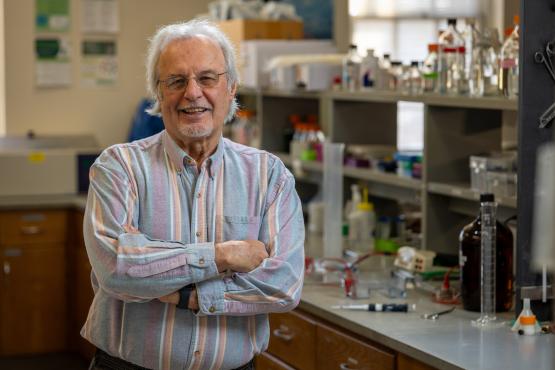
Principal Investigator in the Institute for Molecular Medicine and Aging and Goll-Ohio Eminent Scholar and Professor of Molecular Biology in the Heritage College of Osteopathic Medicine
Kopchick was featured in Cleveland.com, MSN, News Medical and more, for his role in advancing a promising new approach to lung cancer treatment. Kopchick led a study published in the International Journal of Molecular Sciences that identified a potential new way to fight treatment-resistant lung cancer. This research found that blocking the growth hormone receptor may help make existing therapies more effective, offering new hope for improving patient outcomes. He shared insight on how a drug originally discovered at Ohio University could make resistant lung cancer cells more responsive to chemotherapy.
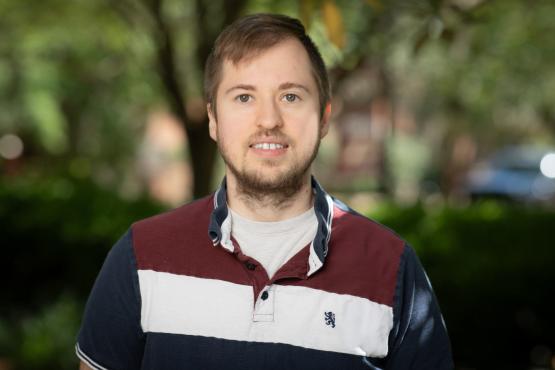
Assistant Professor of Physical Therapy in the College of Health Sciences and Professions; researcher with the Ohio Musculoskeletal and Neurological Institute
Payne was mentioned for his work on how aging and Parkinson’s disease affect the brain’s control of balance and fall risk. Payne was a co‑author on a study published showing that older adults and people with Parkinson’s disease engage much larger brain and muscle responses during balance disturbances, which paradoxically may make balance recovery less effective and increase fall risk. The research highlighted the neural “overdrive” that occurs in these populations and pointed toward new ways to assess and potentially predict balance problems clinically.
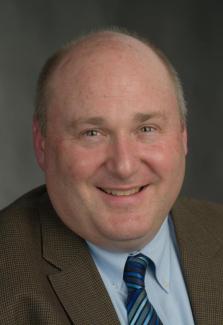
Professor in the Voinovich School of Leadership and Public Service
Dabelko was featured in over 200 articles for his expertise on the intersection of global energy systems and international conflict. He shared that the critical minerals and metals needed for some of the technology that allows for the production of renewable energy, such as lithium ion batteries, are also finite and could potentially cause local tensions.
To view the 2026 Newsmakers, visit https://www.ohio.edu/faculty-newsmakers.