Planning a city: Tackling the challenges of growth in central Ohio
From parking to housing, urban planner Justin Goodwin shares how the City of Columbus is enhancing the urban experience for its citizens.
Madeline Gerona, BBA '26 | April 27, 2026
Share:
For most people, transportation is a part of everyday life. Whether traveling to work or to social events, driving a car or riding a bike, transportation connects a community. While most people don’t think much about transit beyond planning their own route, it is a critical point for urban planners, who are responsible for ensuring cities continue to serve citizens.
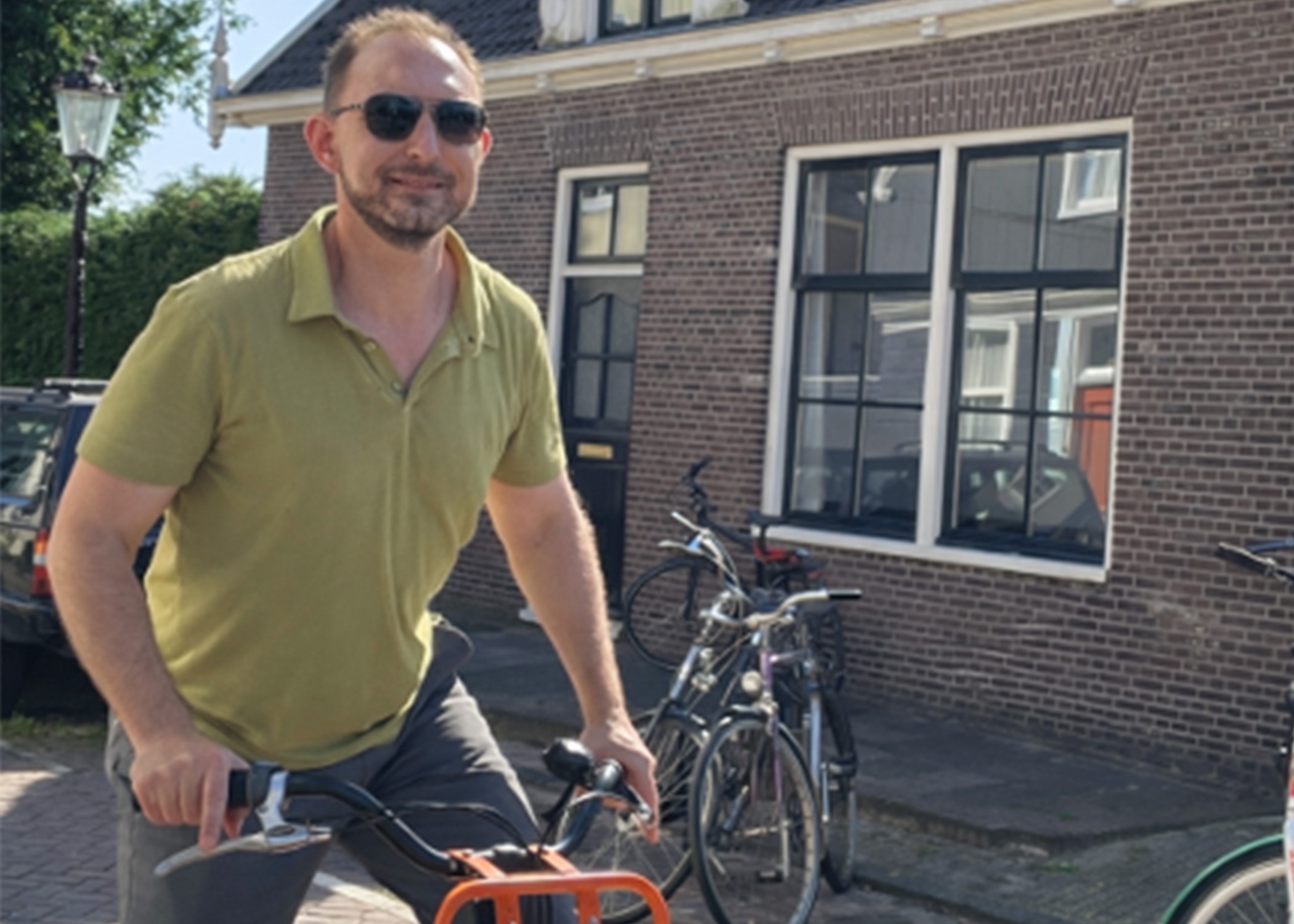
Justin Goodwin, BA ’02, is the administrator for the Division of Mobility and Parking Services in the City of Columbus. In his role, he manages the city’s public parking system, off-street garages, and curb management. There is a lot that goes into transportation in the city, including the shared mobility program, street redesign planning, and partnerships with the Central Ohio Transit Authority (COTA) to build a premium bus transit system.
Housing and Parking
As a growing city, Columbus faces a housing supply shortage. Part of the reason for this, Goodwin says, is the parking requirements for new developments.
“Typically, zoning codes require one or two, or even more parking spaces for any individual housing unit, and there's a cost to that,” he says. “There's a direct relationship to how much parking is mandated by code, and how much housing can get built.”
To lessen the housing crisis, urban planners must make decisions about parking reform that support more housing being built while continuing to meet the parking demands of current residents. One way Columbus is approaching this problem is by reforming the zoning code in 2024 to support more walkable, transit-oriented development. The new set of regulations to the zoning code requires developers to do parking impact studies to determine the best way to serve the community. In addition to parking lots, some options for developers include improved bike storage, transit passes and ride share zones.
“We're trying to balance those trade-offs and making sure we're removing policy and regulatory barriers that are creating a real problem in our city while also managing the unintended impacts that could happen on existing residents.”
Alternatives to Driving
In an effort to make cars less necessary for every citizen, Columbus urban planners are setting their sights on infrastructure changes to make the city more walkable and transit-friendly. Already, the city has identified corridors that would benefit from increased transit lines.
Services provided by COTA through the LinkUS initiatives allow for Bus Rapid Transit, increased service hours, and more physical infrastructure such as shelters and transit centers to support users. These changes can be expensive, but investing in infrastructure improvements allows the city to be prepared for the projected population growth in coming years.
OHIO Roots
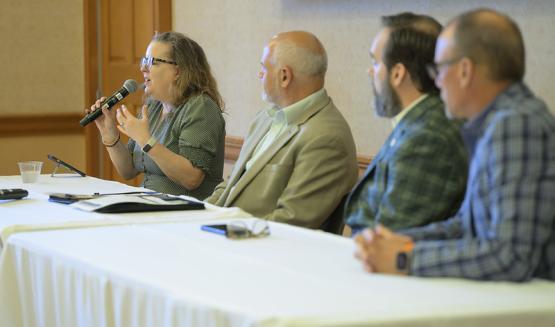
On March 20, Goodwin returned to Athens to present “A City in Transition: Turning Policy into Practice in Columbus” to students in the Department of Geography. Goodwin credits the experiences that he had as a student majoring in geography for his decision to pursue city planning. He would go on to earn a master’s degree in urban planning from the Ohio State University, as well as AICP and PTMP certification.
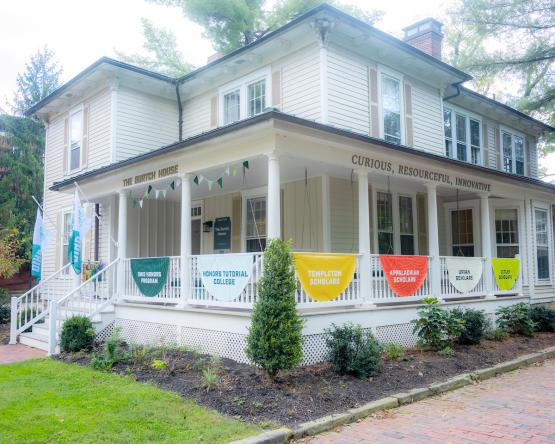
During his time at OHIO, Goodwin studied in the Honors Tutorial College. Through this program, he completed undergraduate research and eventually, this led him to discover city planning.
"I came at my research from more of an environmental studies perspective, studying natural habitats and environmental geography. I focused on forestry and where plants and animals live, as opposed to where humans live," says Goodwin. "But then, eventually, I got more and more interested in the human side of the equation, and how humans are living in their environment, which is the built environment of cities."
Patrick Cahill, a freshman geography major, was one of the attendees at Goodwin’s colloquium. Students who attended the presentation learned about the importance of proactive urban planning and the current actions being taken in the city of Columbus.
“Goodwin demonstrated very well that, although change is neither easy nor quick, the planners of Columbus are implementing many promising plans to bring Columbus into the forefront of booming and livable cities in the United States.”