
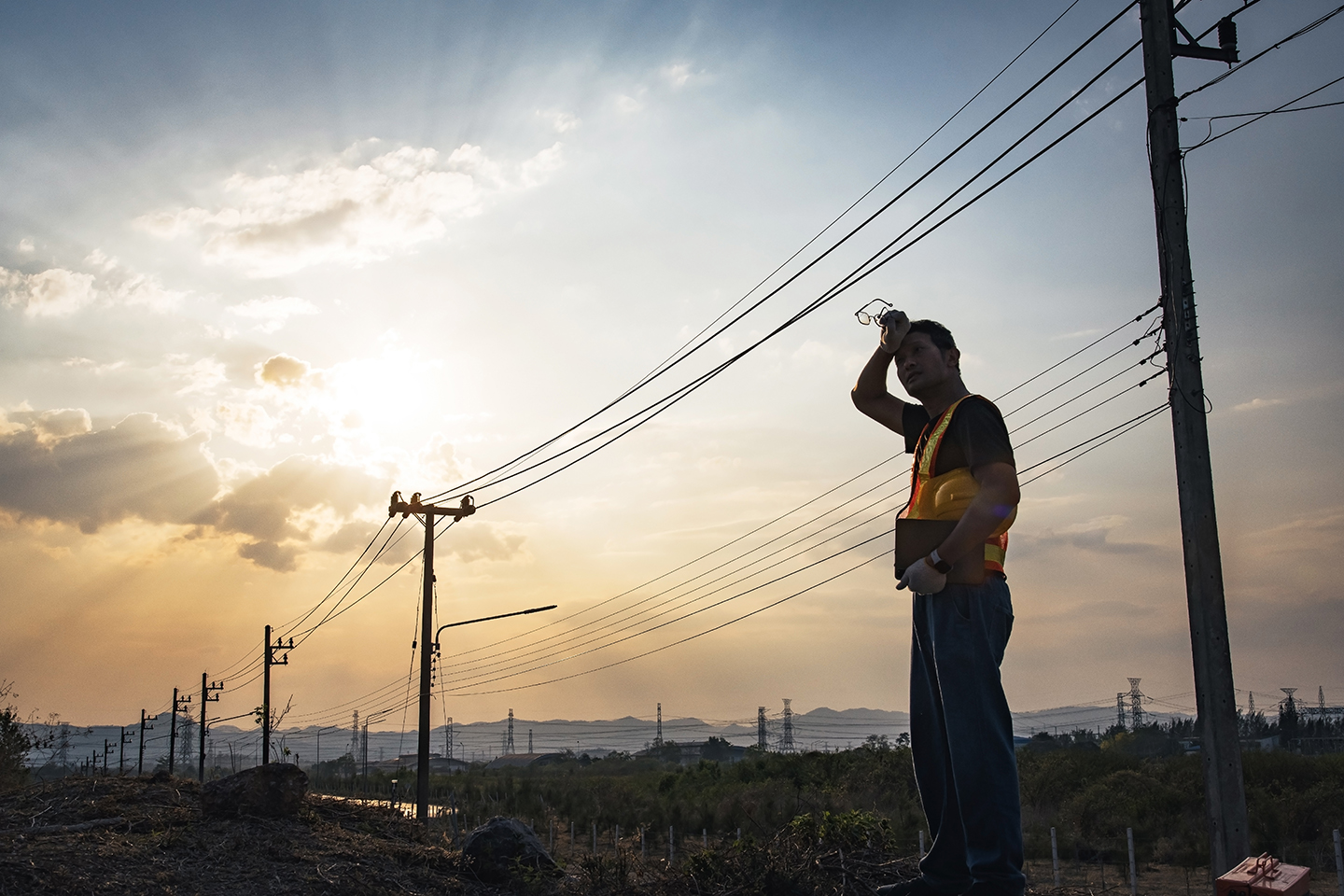
Cooling crisis: Scorching temperatures and rising energy costs leave Americans feeling burned
The challenge of staying cool and safe during this summer's historic heat wave has been especially burdensome as cooling costs are expected to hit a record high. Many will rely on air conditioning even more than usual during this record heat, but the financial strain of paying more than ever for the electricity to power these appliances has left many Americans sweating it out.
Alex Semancik | July 1, 2026
Share:
A historic heatwave is impacting millions of Americans with some experts predicting that America’s 250th could be the hottest July Fourth on record. Extreme heat can be dangerous for everyone, and especially for older adults and those with preexisting health conditions.
The challenge of staying cool and safe this summer in particular has been especially burdensome as cooling costs are expected to hit a record high. Americans are projected to spend around $800 on electricity between June and September, an increase of 10.5% from the same time last year. Many people will need to rely on air conditioners and other appliances even more than usual during this record heat, but the financial strain of paying more than ever for the electricity to power these appliances has left many Americans sweating it out.
Ohio University Associate Professor of Economics Daniel Karney, Ph.D., said that nationally, many factors are driving higher electricity prices that are rising even faster than inflation. Karney is an expert in energy economics, energy policy and climate change.
“On the demand side, a strong consumer preference for cool residential housing puts upward pressure on prices in the Summer, as well as an overall increase in electricity usage from data centers,” said Karney. “On the supply side, utilities have been able to pass along infrastructure improvement costs to consumers. As a result, the price of electricity has outpaced inflation, and this is likely to continue.”
Ohio University Director of Sustainability Sam Crowl agrees with Karney that surging demand and complications in supply are to blame for the historical increases in utility costs. Crowl said that recent capacity auctions by regional grid operators have resulted in record-high bid prices, driving up costs for consumers.
“At the same time, utility companies are spending billions to upgrade, replace and harden aging poles, wires and transmission lines, costs that are routinely passed down to consumers through rate riders and standard annual transmission increases,” said Crowl.

The cost of air conditioning
Summer air conditioning usage is by far the largest contributor to higher electricity bills. The U.S. Energy Information Administration estimates that air conditioning accounts for more than 50% of summer electricity usage in some areas—effectively doubling electricity bills in places like Texas, Ohio, Pennsylvania and Massachusetts.
To ease some of this financial burden, Crowl recommends that those who are able should try to minimize their usage of AC. He points out that extended AC use burdens the electricity grid, increases our electricity bills and endangers the environment.
Crowl works with students at the OHIO Ecohouse to implement alternatives to excessive AC usage. The OHIO Ecohouse is an off-campus residence at Ohio University that provides students with the opportunity to learn about sustainable lifestyle choices through hands-on, lived experience.
“For Ecohouse residents we advise utilizing natural air flow by opening windows and using blinds strategically depending on the time of day, the use of fans rather than AC and personal hydration,” said Crowl.
Image
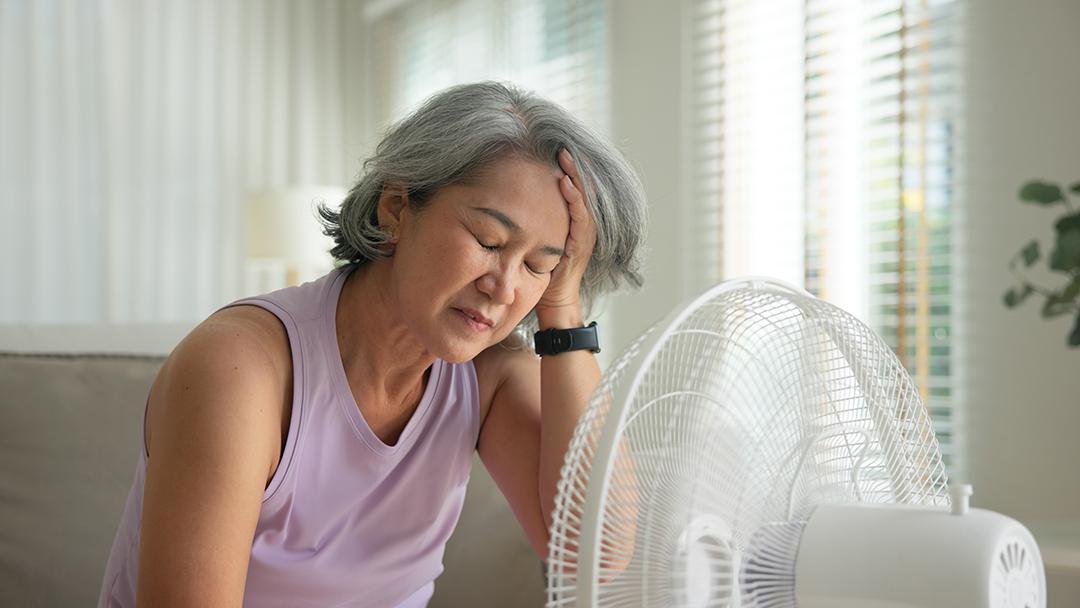
While avoiding the use of AC can be a good strategy for some, Crowl also acknowledges that for others AC is an essential tool for health and safety beyond just the comfort of having a cool house during the hot summer months. Karney agrees and said that air conditioning can help enable normal activity like work and childcare.
“For some, having air conditioning is even a matter of life and death,” said Karney. “This means Americans must pay for air conditioning regardless of the price, and this can cause some to get behind on their utility bills.”
The higher temperatures and increase in extreme weather itself can also result in people paying more for things like insurance, home repairs and health care. About 21.5 million U.S. households—roughly 1 in 6—are already behind on their energy bills, according to National Energy Assistance Directors Association. It is reasonable to assume that with the continually increasing cost of electricity and significant AC usage this number will grow.
“It seems very plausible the number of households getting behind on utility bills will increase this summer,” said Karney. “This is due to the higher electricity prices combined with expected high and sustained temperatures. Furthermore, Americans are in worse financial shape entering this Summer because of higher gasoline prices in the Spring. However, many utilities have support programs to help low-income households behind on their bills.”

How to sustainably beat the heat
Ohio University’s Office of Sustainability has some considerations, recommendations and tips for how to make it through the extreme heat of the summer financially and in a way that simultaneously benefits people, the planet and prosperity now and in the future.
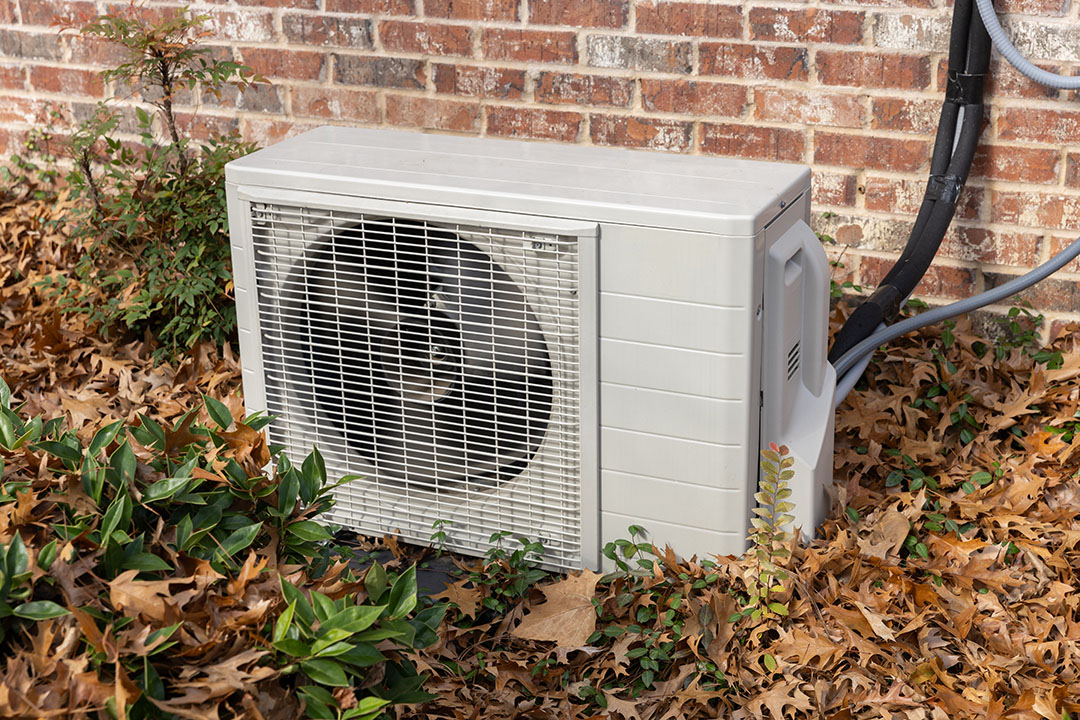
Crowl already shared that the OHIO Ecohouse employs alternative tactics utilizing natural air flow by opening windows and using blinds strategically depending on the time of day, but he also recommends when using a HVAC system, to set the temperature to 68 in the winter and 78 in the summer. He also said that adjusting the thermostat temperature by 7-10 degrees when sleeping or away from the house can reduce energy use and lower your carbon footprint.
Image
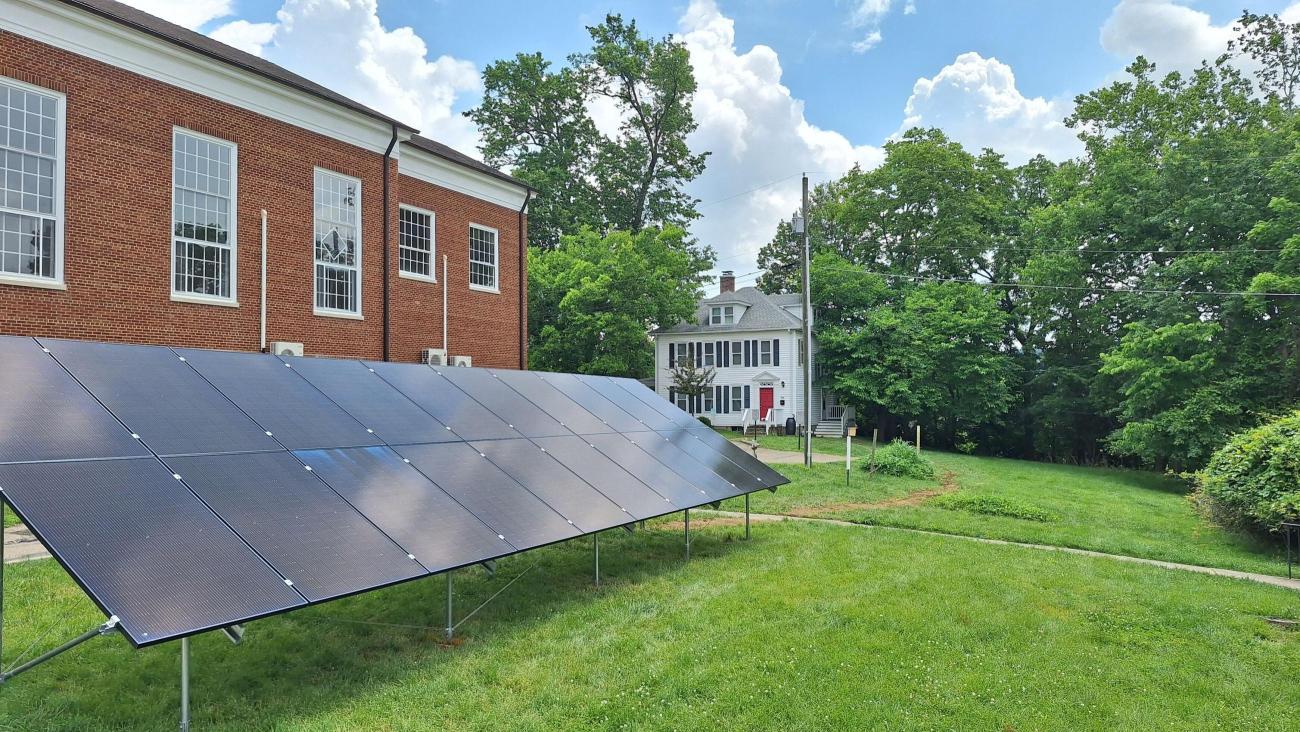
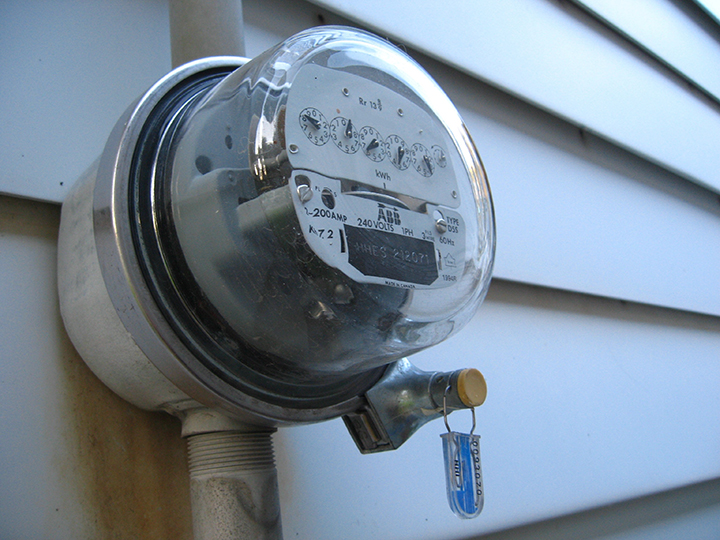
“The Office of Sustainability recommends that people pay close attention to their electricity and gas usage and reduce consumption where possible,” said Crowl. “Reductions help society, save money and lessen detrimental impacts on the environment. Locally, households can arrange home energy audits to determine how reductions can be achieved in their home and can apply to state and federal Home Energy Assistance Programs through community action organizations such as HAPCAP.”
The Office of Sustainability promotes responsible energy conservation at the Ecohouse and in all homes to reduce costs while helping others and the planet. Reducing dependence on fossil fuels may seem like a difficult task, but we can reduce usage of fossil fuels by making simple changes in our daily actions:
- Turn off lights and unplug appliance when not in use.
- Use natural lighting whenever possible.
- If you have a difficult time remembering to power down devices at the end of a day, consider placing them on a timer or setting them up on a smart strip device.
- Limit your technology upgrades. By reducing the number of devices (such as computers, phones and tablets/iPads) that we own or upgrade each year, we can significantly reduce our personal demand of fossil fuels for the production, use and disposal of these products.
- When shopping for new appliances for your home, compare the energy consumption of each device and include the cost of energy in your decision.
To learn more about sustainability at OHIO and for more sustainable living tips, visit: https://www.ohio.edu/ecohouse/living-tips.