How higher fuel prices and tight household budgets could reshape this summer’s travel season
To drive or fly or stay nearby? These are the questions travelers may be asking this year as fuel prices remain high. Economics expert Dan Karney weighs in on the impact of fuel prices on travel plans.
Samantha Pelham Kunz | July 1, 2026
Share:
As Americans head into peak summer travel season, higher fuel prices and mounting consumer debt pressures are converging in ways that could reshape how, and how far, people travel this year.
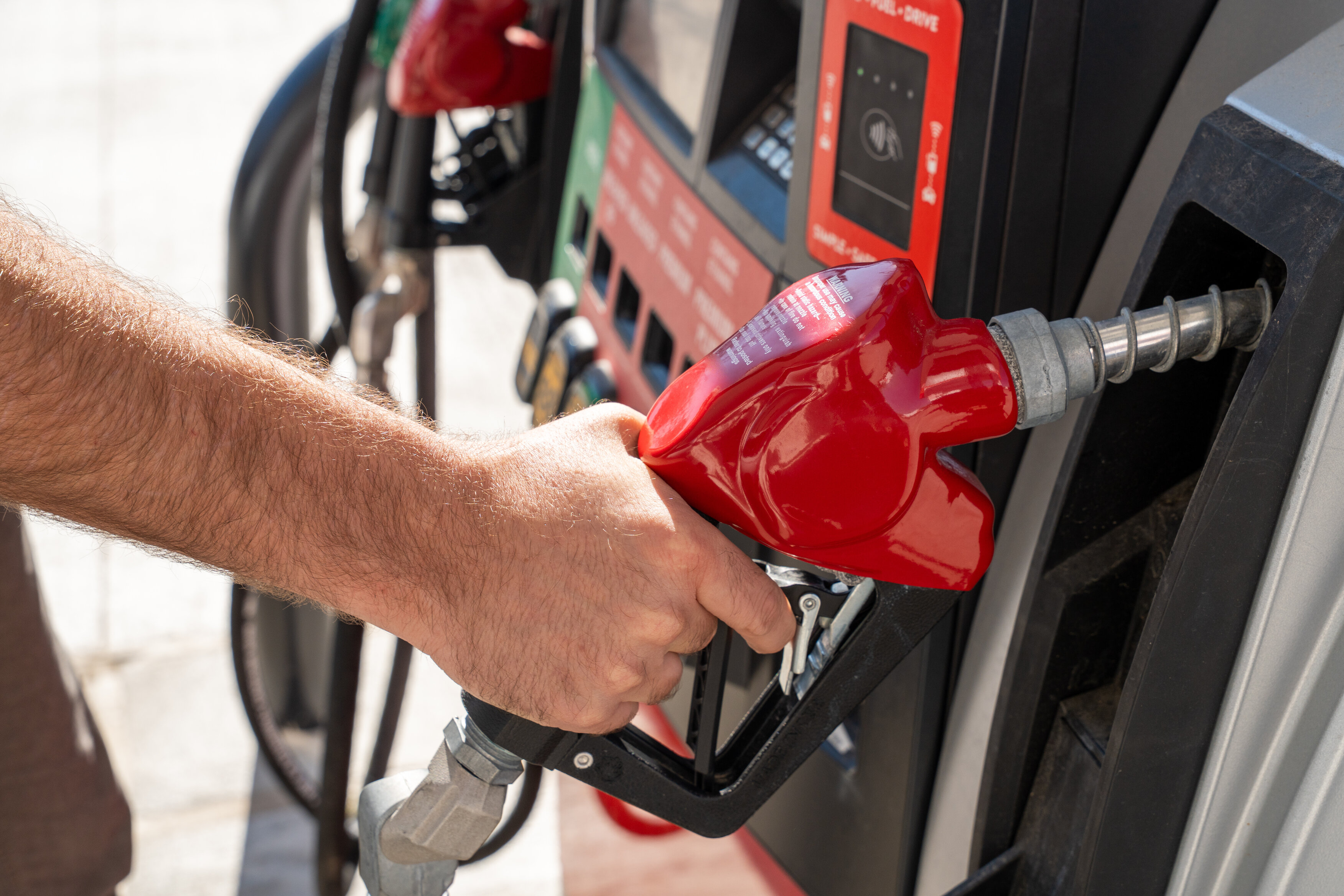
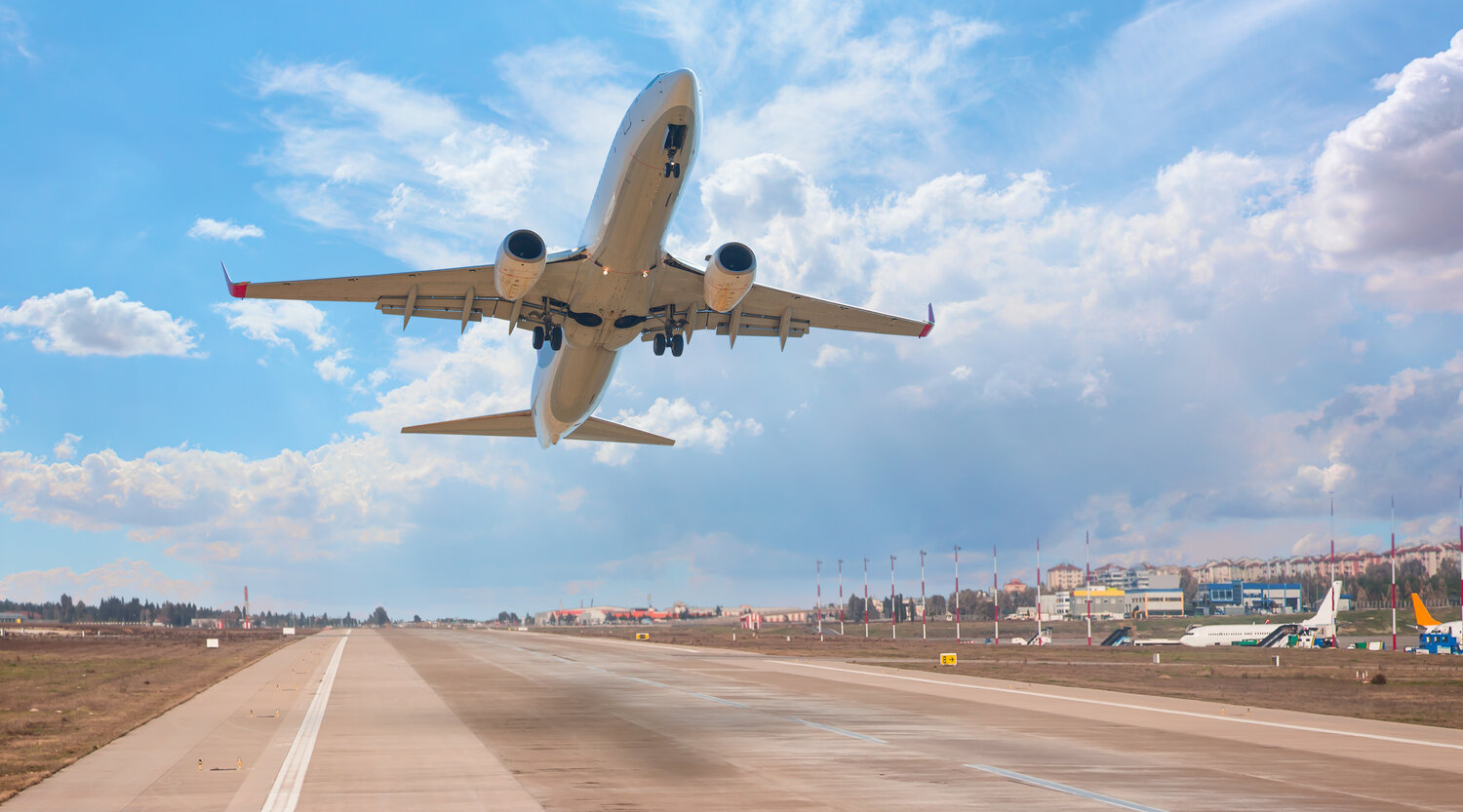
Daniel Karney, a professor of economics in OHIO’s College of Arts and Sciences, shared how gas and diesel prices could impact current travel trends and broader economic conditions. According to Karney, gasoline and diesel prices have climbed significantly since last summer, with increases of roughly 40–50%, respectively. He also notes how aviation fuel has risen even more, up an estimated 70%, a shift he said is likely to show up in airline ticket pricing and travel decisions.
“Airline operating margins are really tight,” Karney said, noting that higher fuel costs can ripple quickly through airfare pricing, especially for carriers already on thin margins.
According to a recent article by The Wall Street Journal, rising credit card debt and increasing financial strain on households are placing added pressure on consumers' discretionary spending decisions. Karney noted that fuel prices alone do not tell the full story, but broader financial pressures are also shaping consumer behavior, including a declining national savings rate, higher credit card interest rates, and rising delinquency levels not seen since the post–Great Recession period.
Together, these forces may have travelers making different decisions about what their summer leisure looks like rather than cancelling all together. While higher gas and diesel prices can discourage longer road trips, Karney said the relative increase in airfare driven by aviation fuel costs could also lead some consumers to substitute air travel with driving instead.
“It’s a relative price story,” he explained. “The outcome is likely to vary depending on individual circumstances. Some households may still travel but opt for closer destinations, shorter trips or more budget-conscious vacation choices. Others, facing tighter finances, may choose to stay home altogether and take day trips or ‘staycations.’”
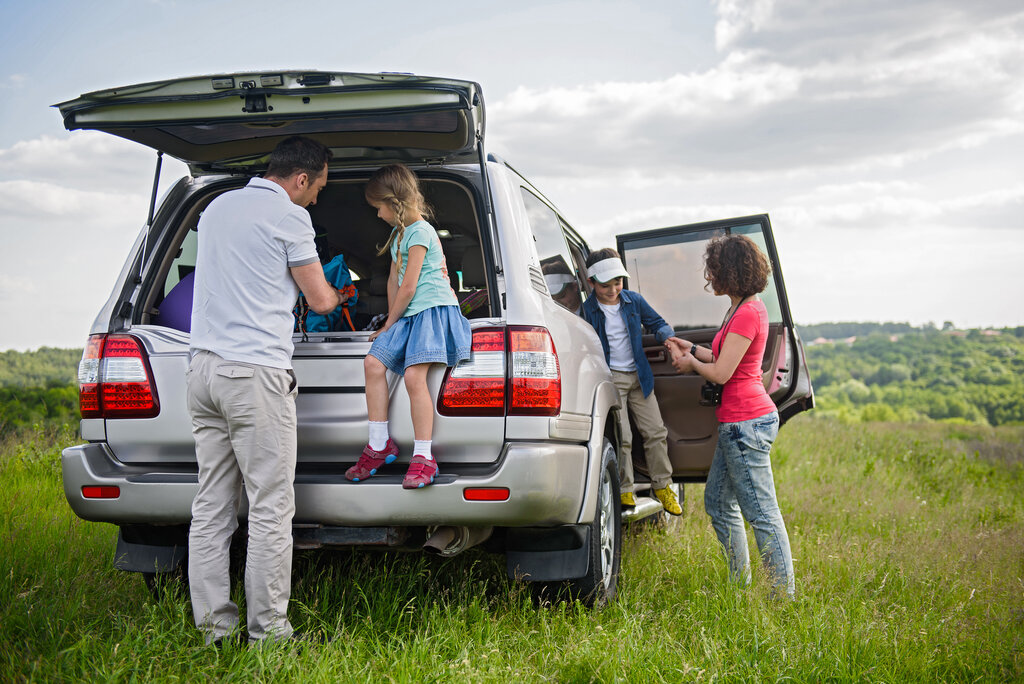
Karney also explained that a broader mix of factors make travel behavior difficult to predict this year, including income stability and lingering inflation effects.
“Unlike past recessions, such as 2008, the current environment is not characterized by widespread job losses, but rather by persistent price pressures and higher borrowing costs,” he added.
That shift, he said, could change what leisure travel looks like rather than eliminate it.
“Consumers may lean more heavily on nearby destinations and hidden local amenities they might otherwise overlook like parks, lakes, regional attractions and other low-cost recreational options,” Karney explained.
He also noted that changing travel patterns could have some positive effects, including reduced highway congestion in some areas as long-distance travel declines, as well as environmental benefits from fewer trips and shorter drives that generate fewer emissions.
Still, Karney emphasized that the central theme is adaptability. Consumers tend to adjust rather than stop traveling altogether substituting destinations, transportation modes or even types of leisure activities to fit changing prices.
“For individuals, it’s about flexibility,” he said. “Thinking about ways to have leisure that fits into their budget even if that means staying nearby their home. This could even mean a change for local businesses in areas used to catering to tourists where they now have to rethink how they attract nearby customers if long-distance travel becomes less common.”