Walk on The Wilds side
Environmental restoration is the focus of an OHIO Honors special topics course that takes students on an overnight trip to The Wilds, a conservation center in Southeast Ohio.
Photos by Skylar Seavey | July 23, 2026
Share:
A group of Ohio University students took part in a unique learning experience at The Wilds during the spring semester.
As a part of an OHIO Honors special topics course that is open to all majors, the students spent the night at The Wilds, a conservation center that spans more than 10,000 acres of pastures, forest and lakes in southeast Ohio.
The students also took part in virtual class sessions before and after the trip as part of the course, which was focused on looking at the “normal” state of nature and how it changes over time. Dr. Brooks Kohli, assistant professor of instruction in the Department of Biological Sciences in the College of Arts and Sciences, led the course and the visit to The Wilds.
“Opportunities like this are important for our students because they provide a more personal experience with the effort, time and energy required to successfully conserve and restore species and land,” Kohli said.
A major goal of the course is to provide direct, personal interaction with nature and environmental restoration.
The course was based on the idea that each generation views the state of the environment that it grows up with as the normal baseline condition. As environmental degradation occurs over time, though, it leads to each generation accepting a new normal baseline condition.
This brings up the question then, Kohli explained, about the exact goal of environmental restoration. Is it to keep things how they are in nature right now, or is it to return the environment to a state it was in past years? The course also examined how different generations and cultures bring different perspectives to the state of nature and potential goals for environmental restoration.
“So, the main goal of the course is to get students to think about their perspective of nature but also learn about others' perceptions of it as well, and then to experience some of the work that is being done to restore wild animals and places, both close to home and more broadly,” Kohli said.
Before the students visited The Wilds, they took part in a virtual class session that included a discussion with Genelle Uhrig, director of ecology at The Wilds. Uhrig, who served as a co-teacher of the course, provided the OHIO students with an overview of The Wilds and the vast variety of work that is being done there to protect and recover globally endangered species, restore native Ohio habitats and species, and make new uses of the land after a legacy of intensive mining.
During the trip to The Wilds, the OHIO students also stopped at Miner's Memorial Park, which is the home of the Big Muskie Bucket, an enormous excavation bucket that was used to strip mine the land where The Wilds now sits. That visit allowed the students to learn more about the history of The Wilds and the environmental impacts that led to its current state and uses.
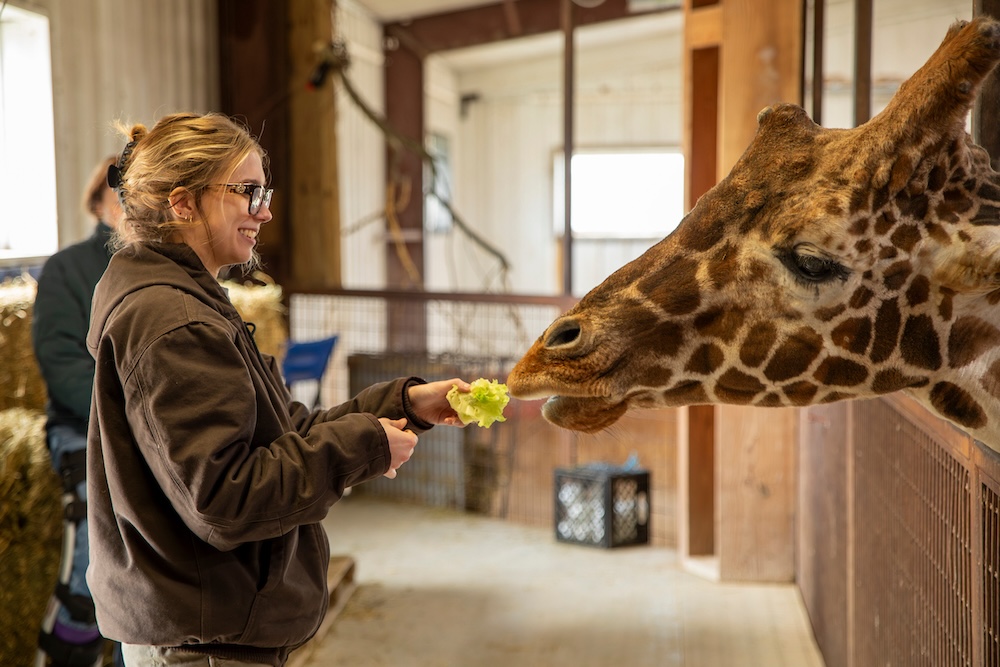
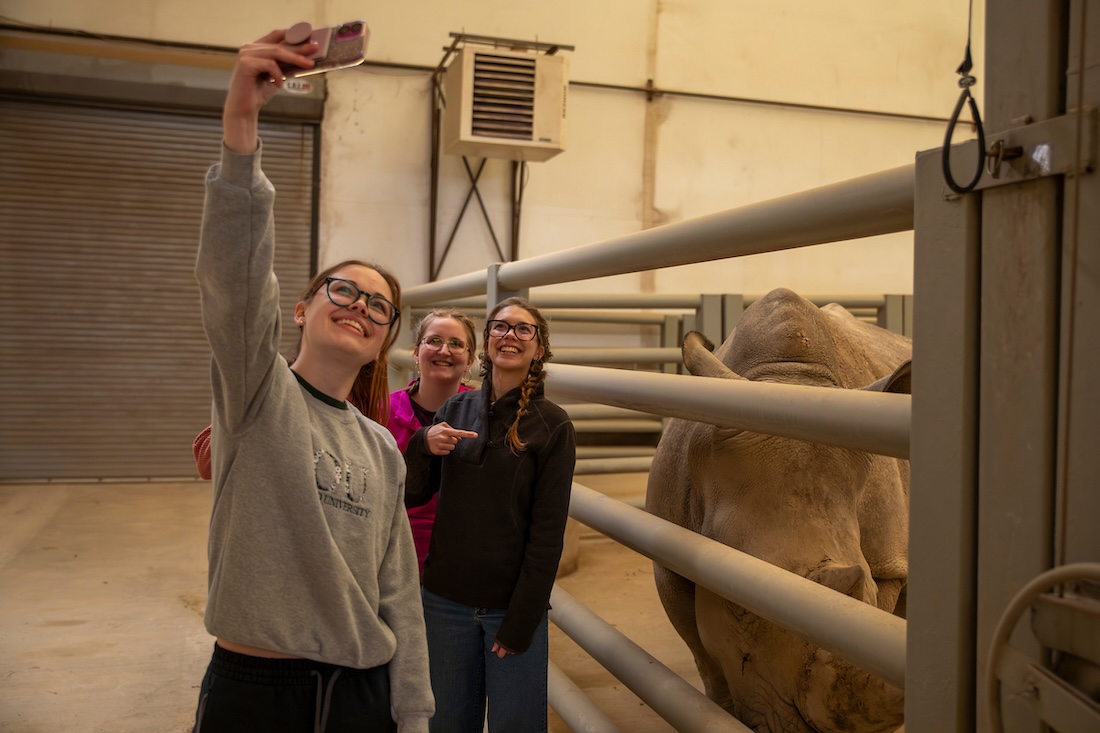
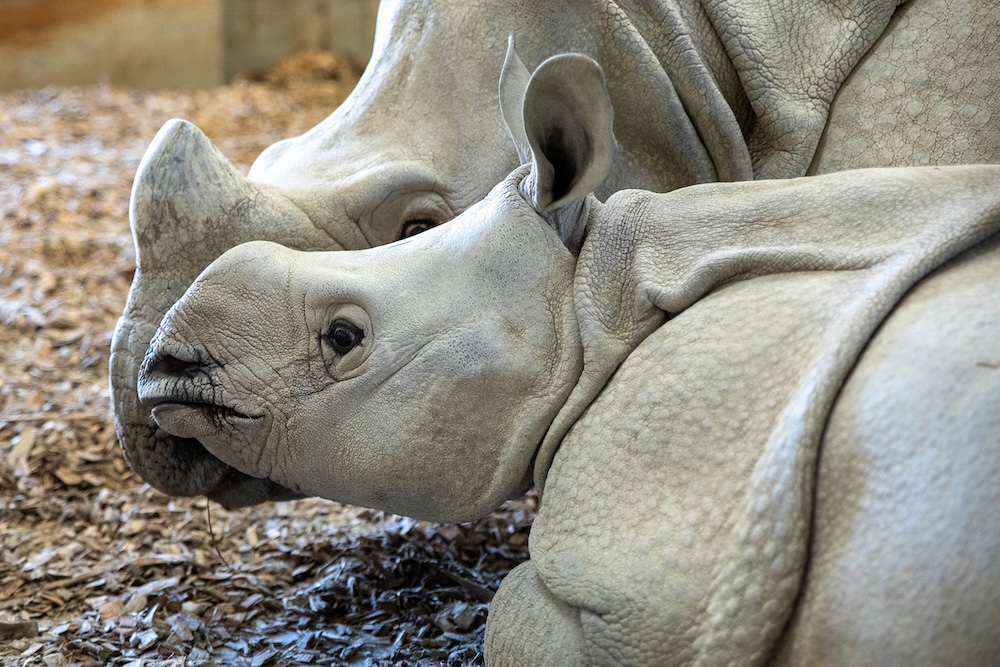
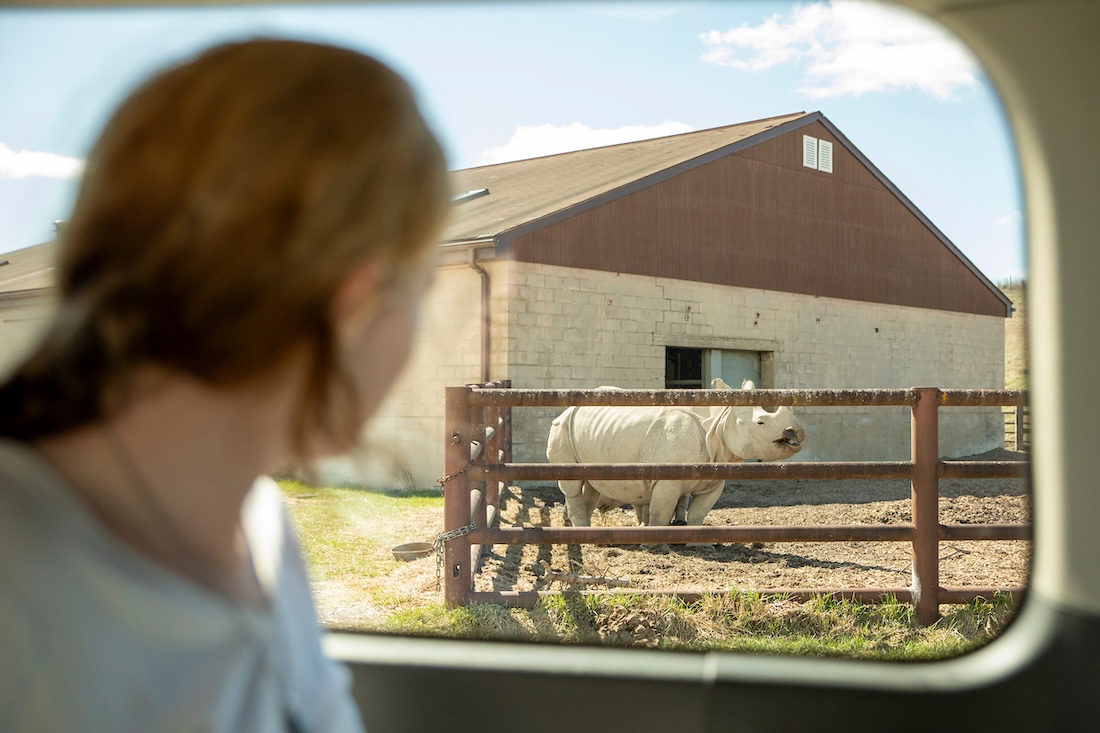
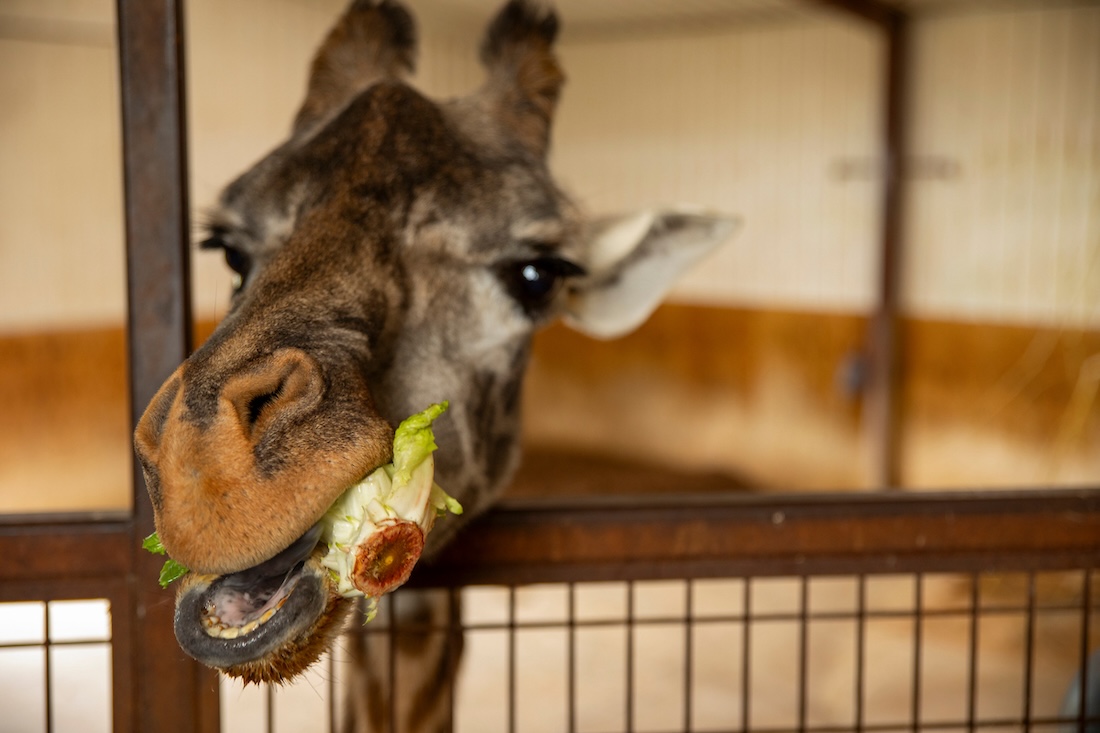
While at The Wilds, the students saw many of the endangered animals that the conservation center is home to, and the students especially enjoyed the tours of the rhino and giraffe barns where they had a chance to talk with staff members about their work with the animals.
The main focus of the visit was to experience the ecological restoration work that is happening throughout much of The Wilds.
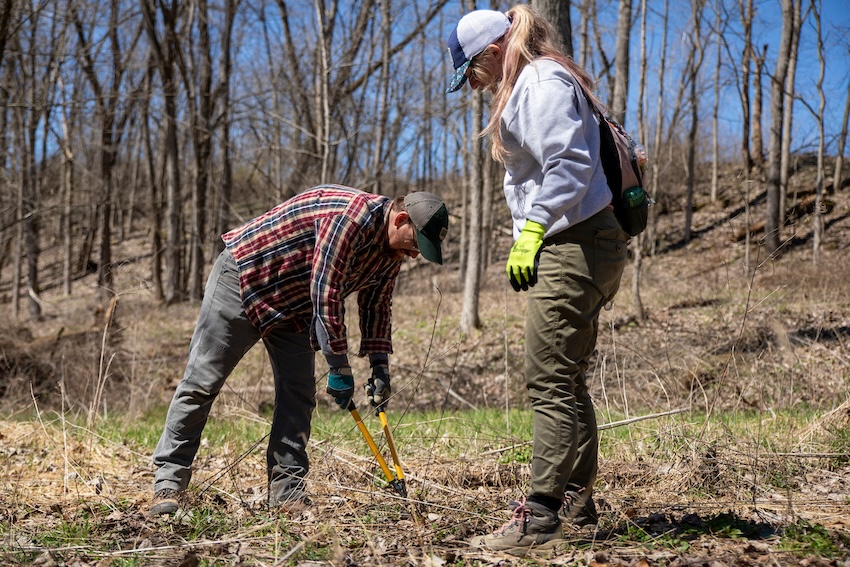
“A major goal of the course is to provide direct, personal interaction with nature and environmental restoration, so we also participate in a couple of service-learning activities during our visit each year,” Kohli said. “This past year we removed invasive plants in a forest restoration area and also cleaned and sorted native wildflower seeds that are used to seed more native grasslands.”
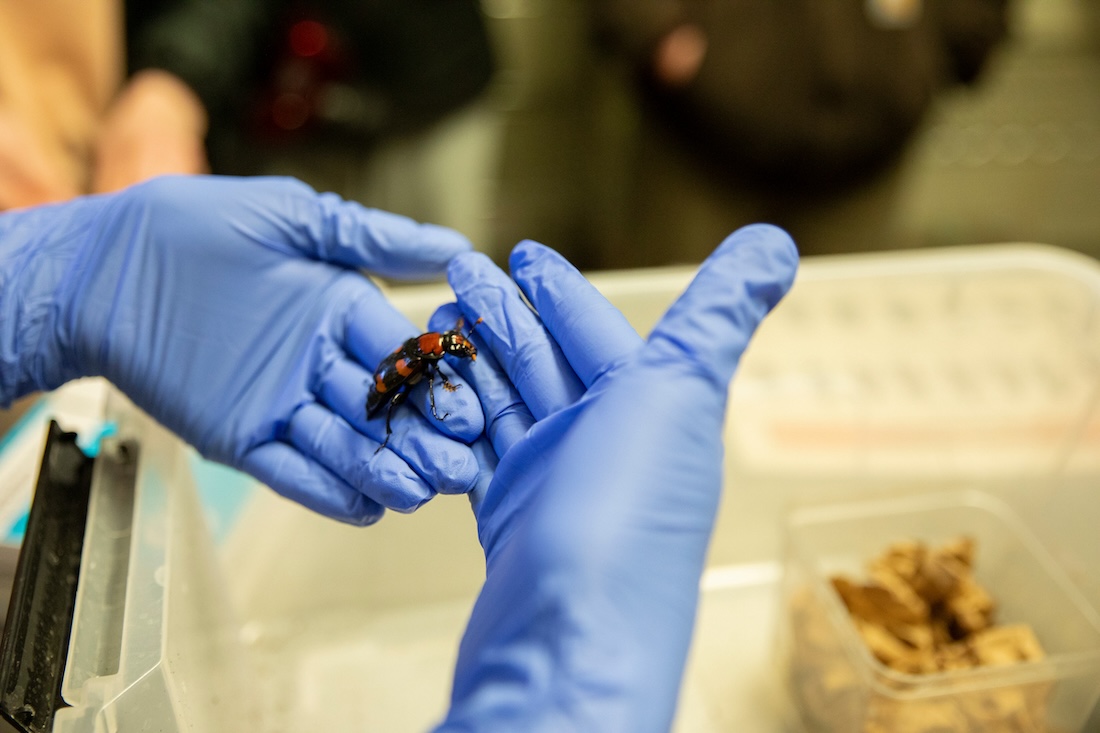
“We also had a behind-the-scenes look at local species conservation efforts by touring facilities where American Burying Beetles and Hellbender salamanders are raised and studied as part of large collaborative projects aimed at both species' reintroduction efforts,” Kohli said.
For the students, the time at The Wilds gave much greater weight to the concepts they are studying, and it encouraged them to reflect more deeply on the topics.
“There really is no substitute for petting a rhino or using a saw to cut down invasive autumn olive shrubs! The burying beetles are also one of my favorite parts because it forces students to think about conservation and restoration of more than just cute, fuzzy mammals,” Kohli said.
The OHIO students excelled in their work at The Wilds and learned a great deal from the experience. Kohli is already planning for future OHIO students to visit The Wilds to take part in more educational programs in 2027 and beyond.