Image
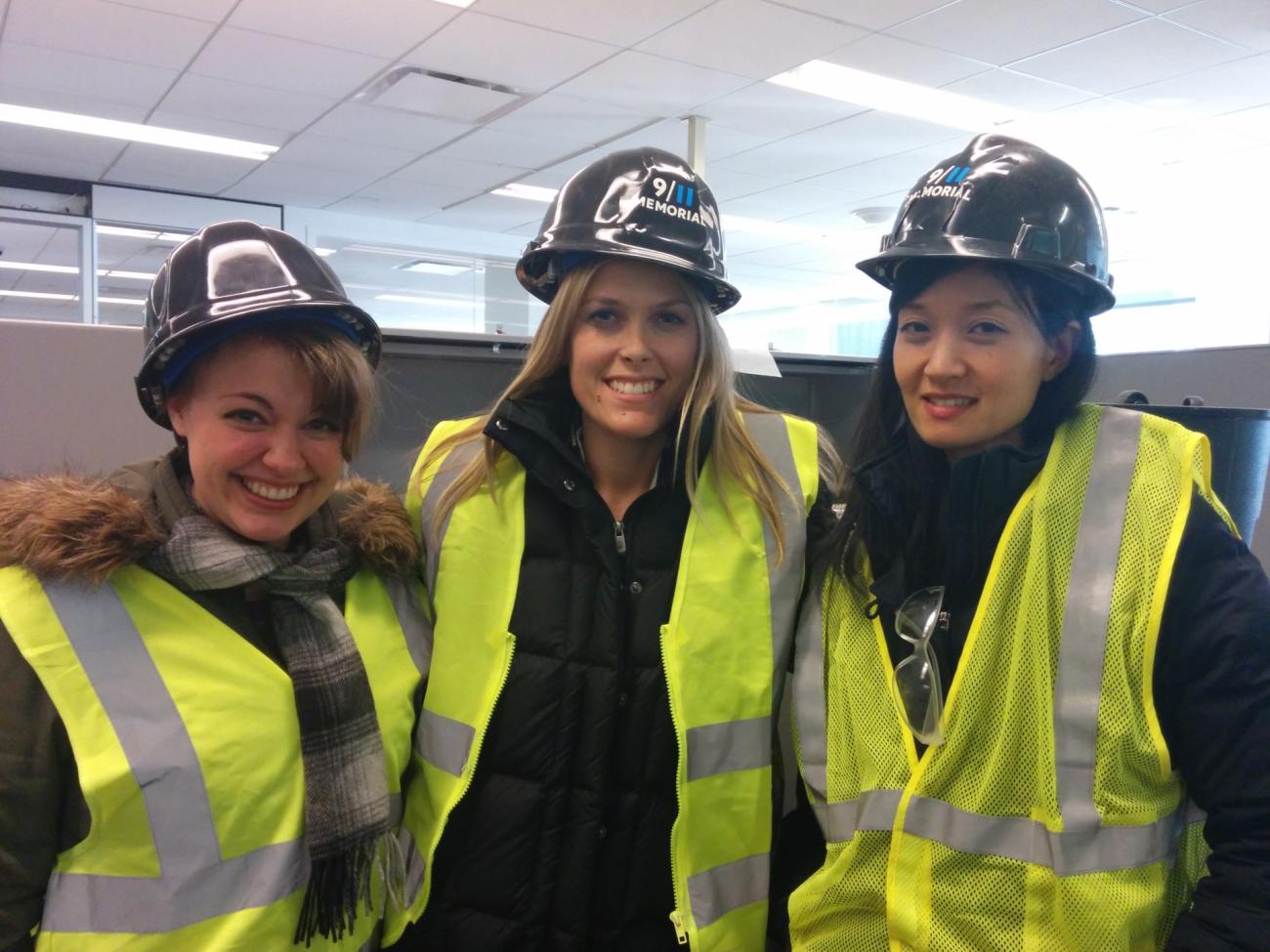
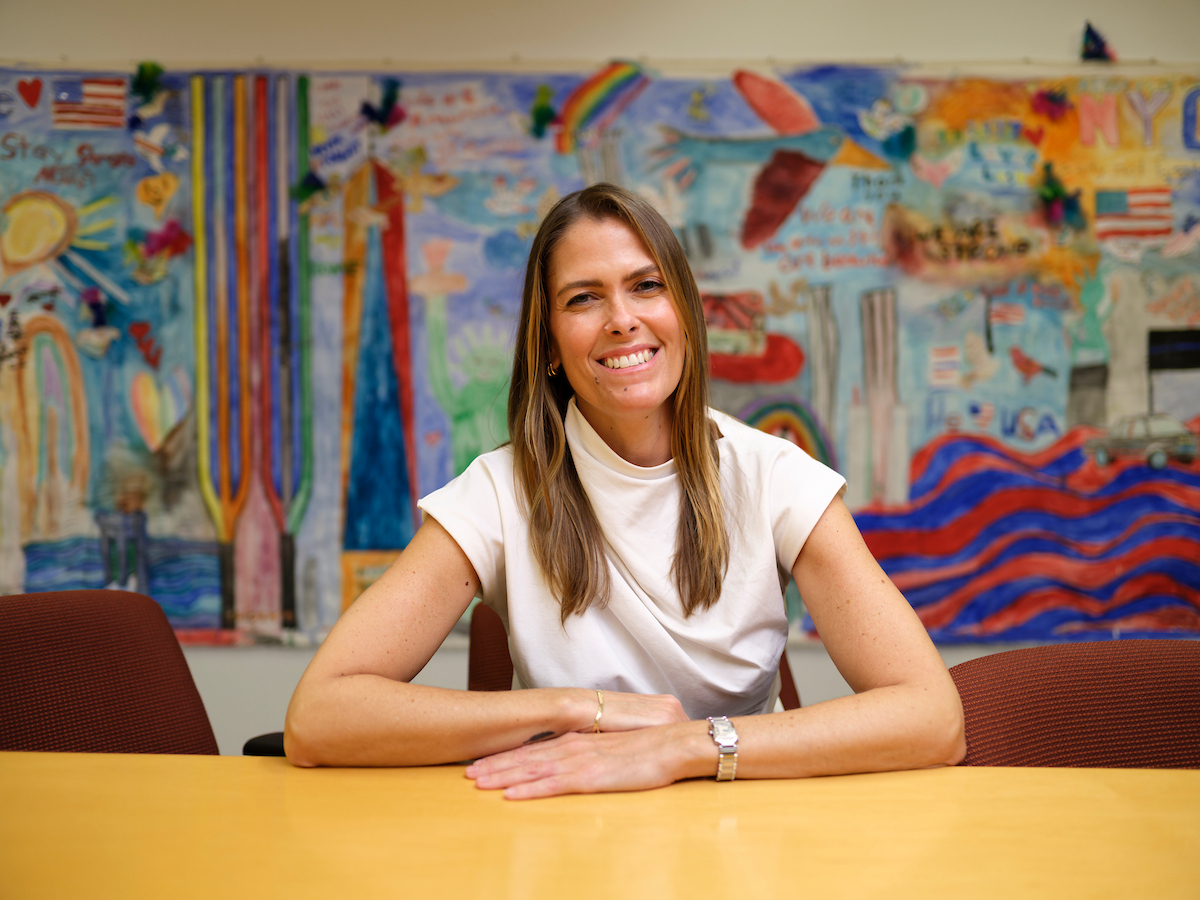
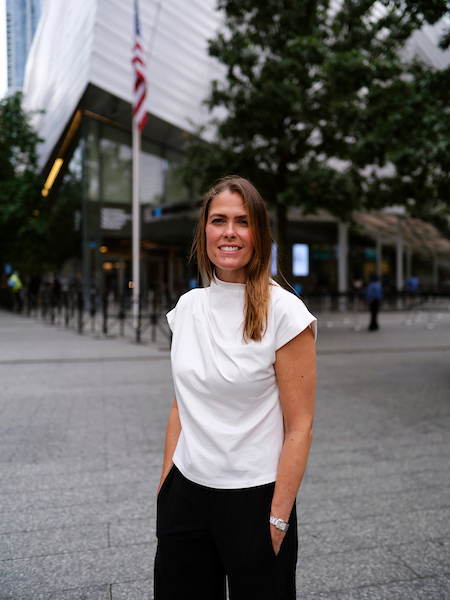
OHIO alumna Megan Jones, vice president for education programs at the 9/11 Memorial & Museum, is helping a new generation understand an event many never experienced firsthand. For Jones, “Never Forget” means more than remembering the tragedy — it means remembering the people, stories and humanity that emerged from it.
Samantha Pelham Kunz | September 3, 2026
Share:
What does it really mean to “Never Forget?”
Does it mean remembering the date? The act of terrorism? The nearly 3,000 lives lost? The smoke, the sirens and the images that have become etched into history?
For Megan Jones, it means remembering the people.
As Vice President for Education Programs at the 9/11 Memorial & Museum, Jones spends her days helping millions of students, teachers, families and visitors understand one of the darkest days in American history. But she believes the most effective way to teach the story of Sept. 11 isn’t through statistics, timelines or casualty figures, but through the people whose lives were forever changed and the humanity that emerged in the aftermath.
“For me, above anything else, the story of 9/11 is a human story,” Jones said. “It's about humanity. It's about, yes, the darkest of humanity, but it's also about the best of humanity.”
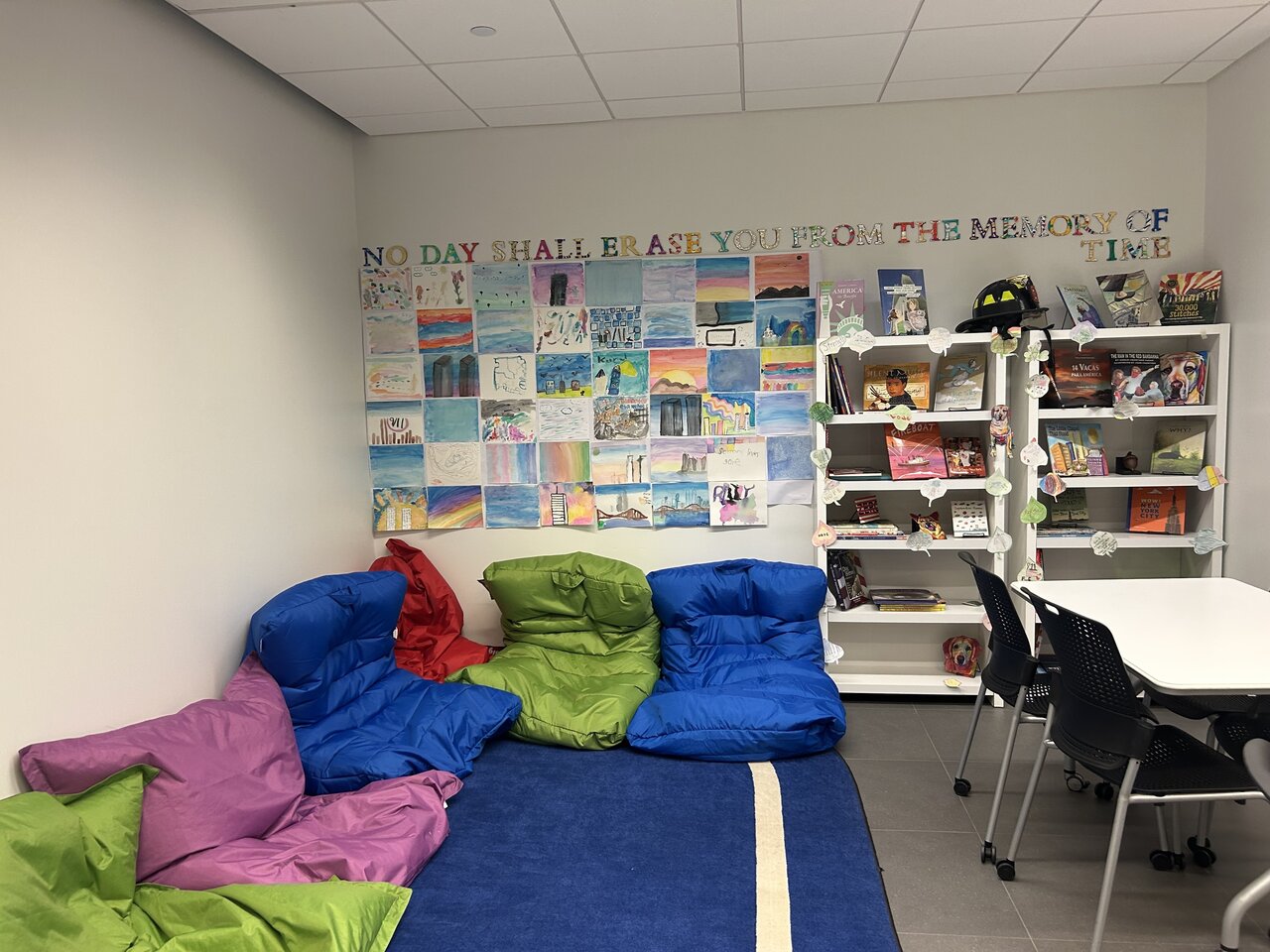
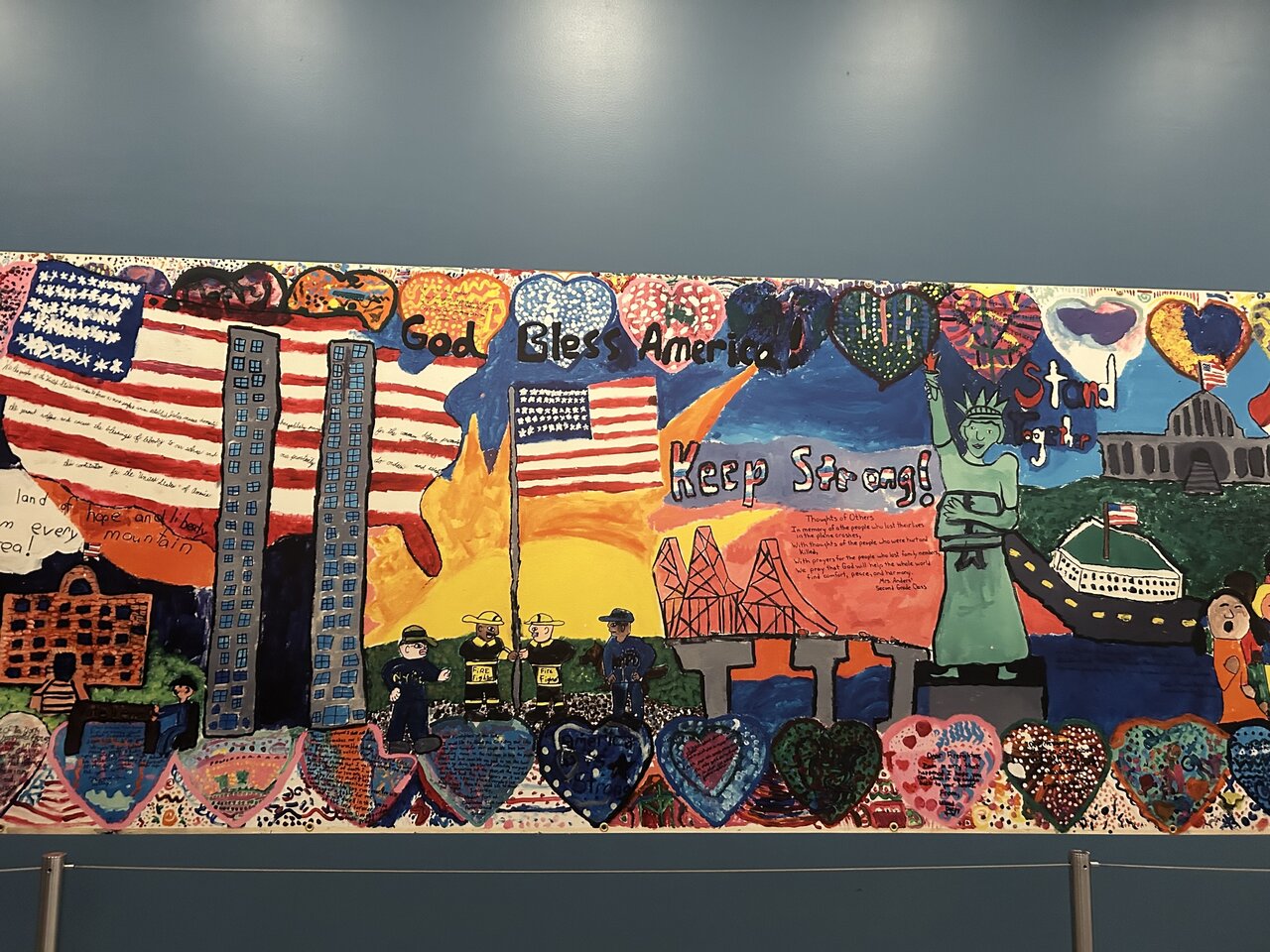
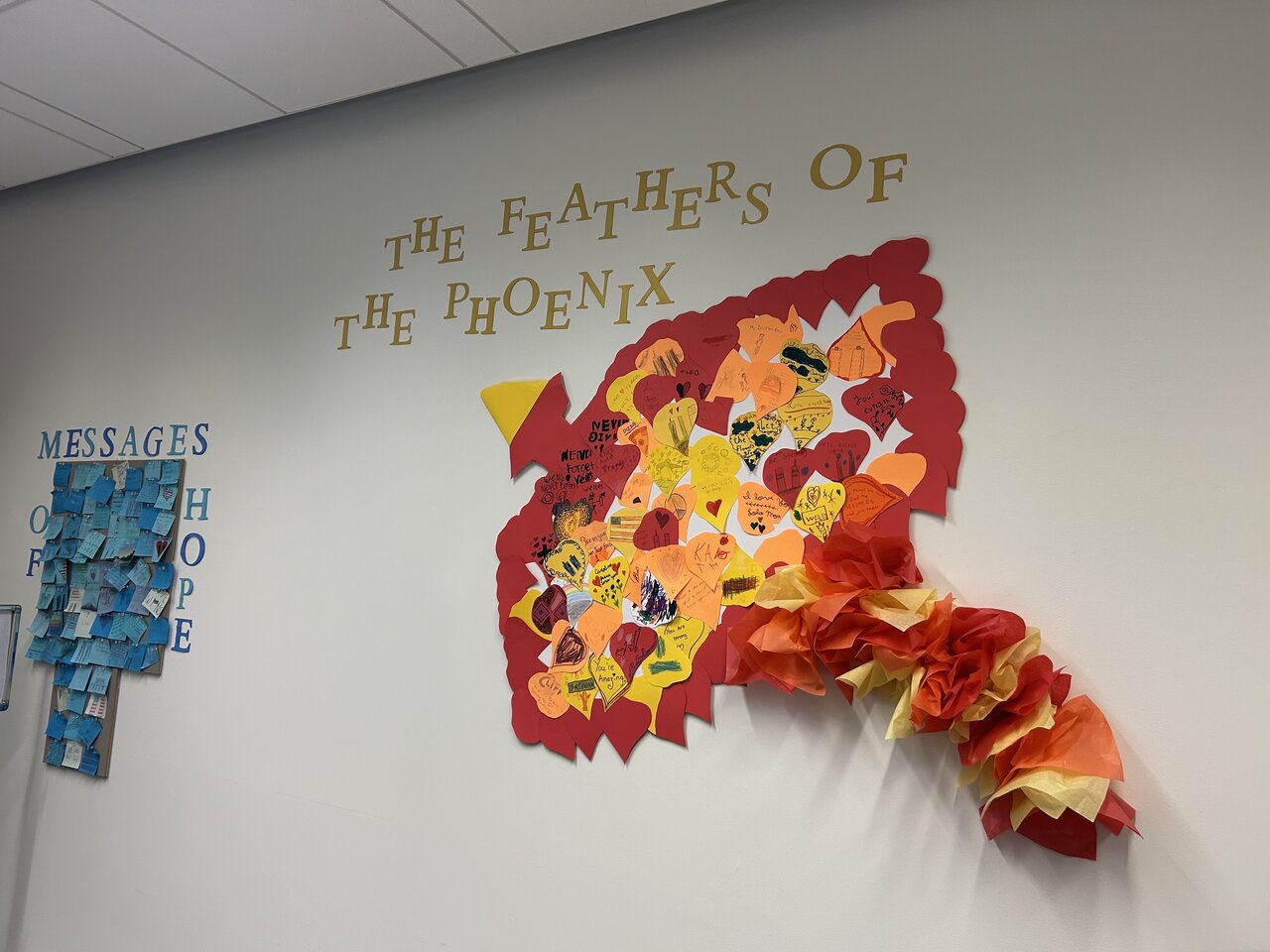
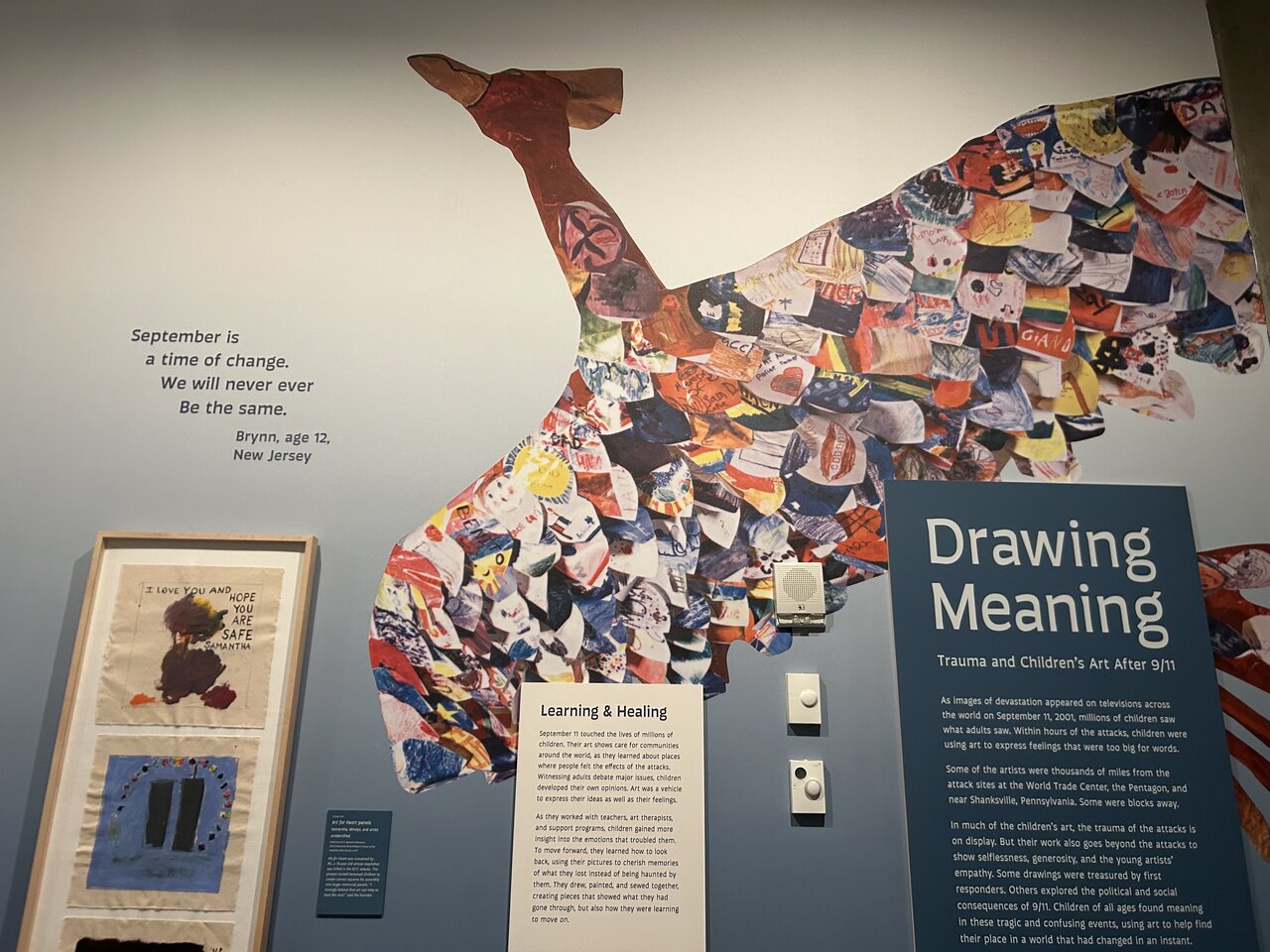
That philosophy comes to life inside the museum’s education center, where vibrant artwork created by children lines the walls below the ground where the Twin Towers once stood. Crayon drawings of firefighters sit alongside paintings of the memorial pools and handwritten messages of hope.
It is an unexpectedly colorful space in a place so closely tied to tragedy. Just beyond the classroom space are preserved artifacts that show the impacts of the day but, more importantly, tell the stories of the people who were there, including firefighters, office workers, survivors and families. Through those experiences, students and visitors learn about Sept. 11 through the people who lived it.
“You can say that 2,977 people were killed on 9/11, and that's a very large number,” Jones said. “But when you tell the story of a 24-year-old young man who was just at work at his first real office job in New York and decided to help evacuate people and get them to safety and then run back up the stairs to help strangers, then it becomes more real.”
For Jones, storytelling is at the heart of her work. It is how she helps people from around the world, including generations who were not yet born when the attacks occurred, understand not just what happened on that day, but who was affected, how people responded and the impacts still felt today.
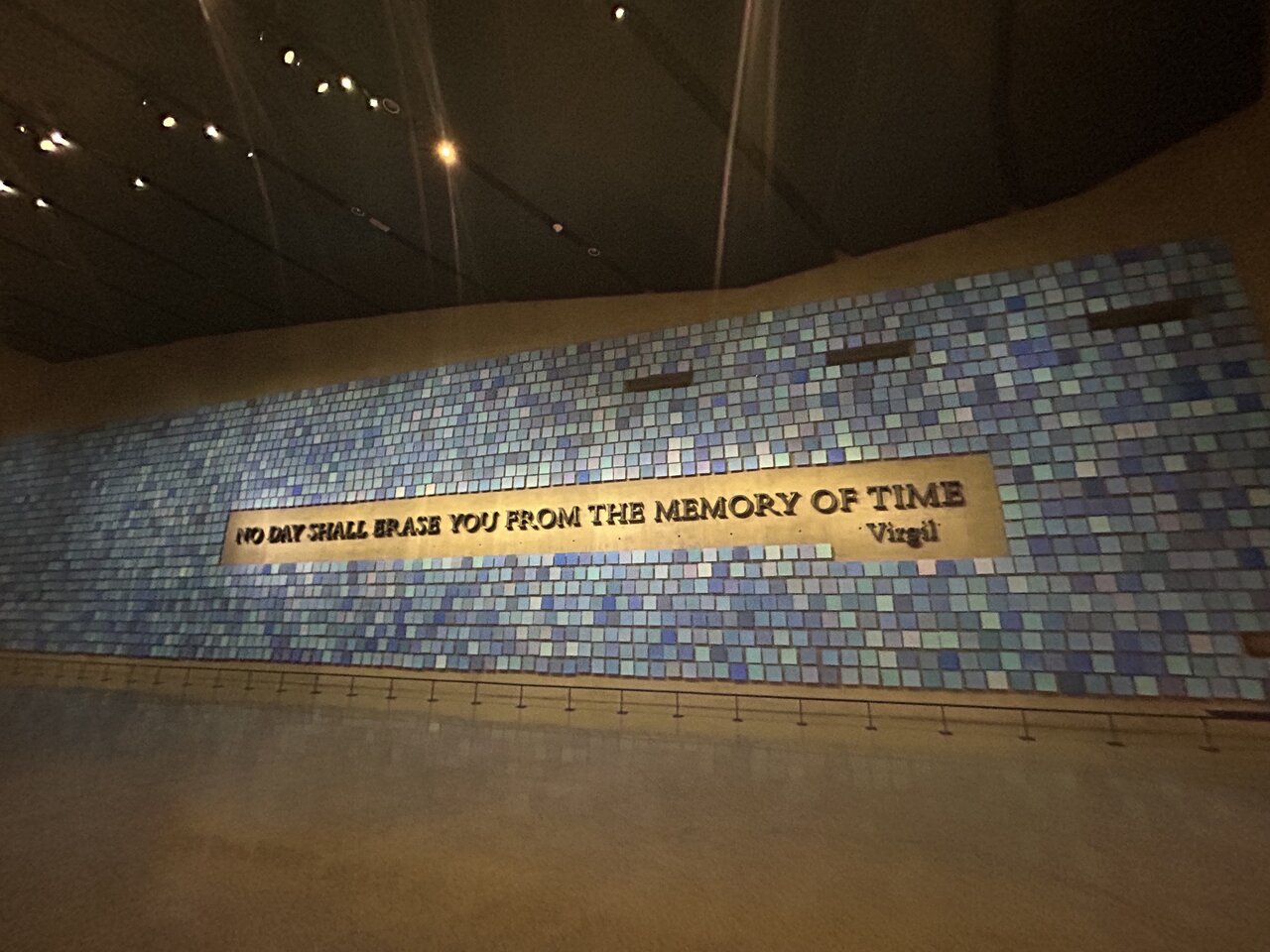
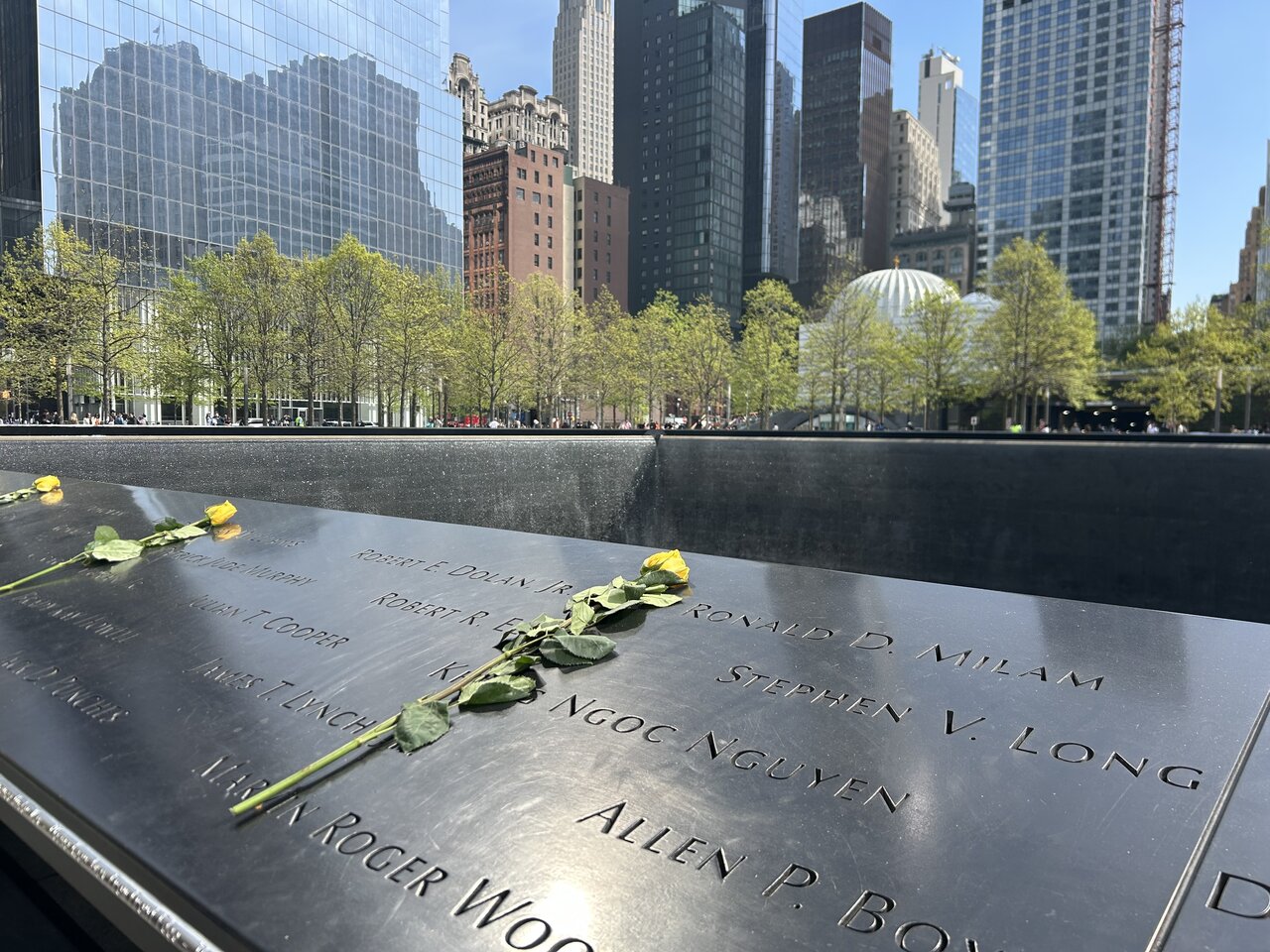
Jones’ path to educating the world on one of the toughest topics to think of was not necessarily straightforward. Her curiosity for teaching history and looking at things from new perspectives, however, provided the foundation for her career.
Jones attended Ohio University, graduating in 2001. Although reluctant to become a Bobcat because she came from a long line of OHIO grads — her parents met at OHIO and often spoke about Athens and the University — the beauty of campus and the Bobcat blood in her veins were no match for her teenage revolt against her parents’ alma mater.
"I remember growing up saying, 'That's the one place I'm not going to go,'" Jones said. “I did the college tour with one of my friends from high school - my mom took us down, and I knew immediately that it was going to be the place for me. And so that was it and it really was some of the most special years of my life.”
Jones remembers fond memories of life in Brown Hall, becoming active in Chi Omega and forming friendships that continue today.
Jones studied political science and sociology, expecting to attend law school. But while interning in Cleveland, she organized a courthouse visit for her younger siblings and their classmates. She realized she enjoyed introducing young people to complex ideas more than practicing law herself.
"I had so much fun talking to them about the process and organizing their field trip," she said. "I thought, 'What about education?'"
She earned a master's degree in educational leadership, taught in the classroom and eventually moved to Washington, D.C., intending to work on Capitol Hill.
Instead, another opportunity reshaped her career.
Volunteering at the National Archives before beginning a teaching position led to a job as an education specialist, where she learned how primary sources could transform history education.
"I loved that job—working with primary sources and thinking about how to integrate those sources into the classroom,” she explained.
She later managed visitor programs at the U.S. Supreme Court, where difficult conversations became part of her daily work.
"We always did this thing where you would wear your Megan Jones hat, and then you had to wear your government hat," Jones added. "You had to be so neutral and thoughtful about everything you said."
One day, she found herself wondering what the most difficult history lesson in America would be to educate people on and how it could be done, with her thoughts returning to 9/11.
The attacks had touched Jones' own family. Her cousin worked across the street from the World Trade Center and witnessed the first plane strike the North Tower. After becoming trapped in the dust cloud, he disappeared for several days before his family learned he had survived.
According to Jones, he never really talked about it until one day he unexpectedly shared his experience with her, an incredibly moving story that has stayed with her ever since.
Her cousin died in 2012, around the same time Jones found herself wondering how future generations would learn about Sept. 11. Then she saw a job posting for the museum, which had not yet opened.
"We had just bought a house in Virginia," she said. "I thought, 'That would be absolutely crazy.'"
She applied anyway.
Jones became one of the first education employees hired before the museum opened in spring 2014. On her first day in January 2014, she walked into the makings of a museum with borrowed construction boots on, staring at an education space that at the time was nothing more than white walls.
"There was nothing in here," she explained. "That's really when it hit me—the awesome responsibility that we had in creating every education program for this institution from the beginning."
At the start of her role, much like the museum itself, Jones and her team had to build an educational program from the ground up. They knew they needed field trips for students, programs for New York City public schools, professional development for teachers and programs for teenagers, in addition to finding ways to educate global populations and, perhaps most challenging, students visiting the museum who would have no personal memory of that day.
Jones quickly understood that at the heart of educating all those different types of people was one thing in common: tangible storytelling.
"They need to understand what happened that day first and foremost," she said. "How can you remember something that you didn't live through? We always say, 'Never forget.' They don't know what they're not supposed to forget."
According to Jones, museum tours are inquiry-based rather than simply didactic. Rather than beginning with lectures, museum educators ask students to observe and ask them, "What do you notice?"
Standing in front of FDNY Ladder 3 Fire truck, students might point out the damage or burned portions of the vehicle. Those observations become an opening into the story of Ladder Company 3 and the firefighters who were on that truck that day, including their captain, Patrick “Paddy” Brown.
"We start with an observation," Jones said. "Then we tell the story of a particular person or group of people connected directly to that artifact."
The same process happens throughout the museum. An artifact becomes a story. The story becomes a person. The person becomes a way for students to understand the larger events of Sept. 11.
"It's not just something that happened and then time moved on," she said. "It's something that continues to affect the world that we live in today."
But Jones’ goal isn't simply to make students understand what happened. She wants them to make their own meaning from it.
“What’s really important to me is not to tell why 9/11 is important or why it matters, my goal is for students to discover for themselves why it’s important. Because when you can make meaning for yourself, that’s more impactful than someone just standing in front of you and saying, ‘Well, this was an important day because…’”
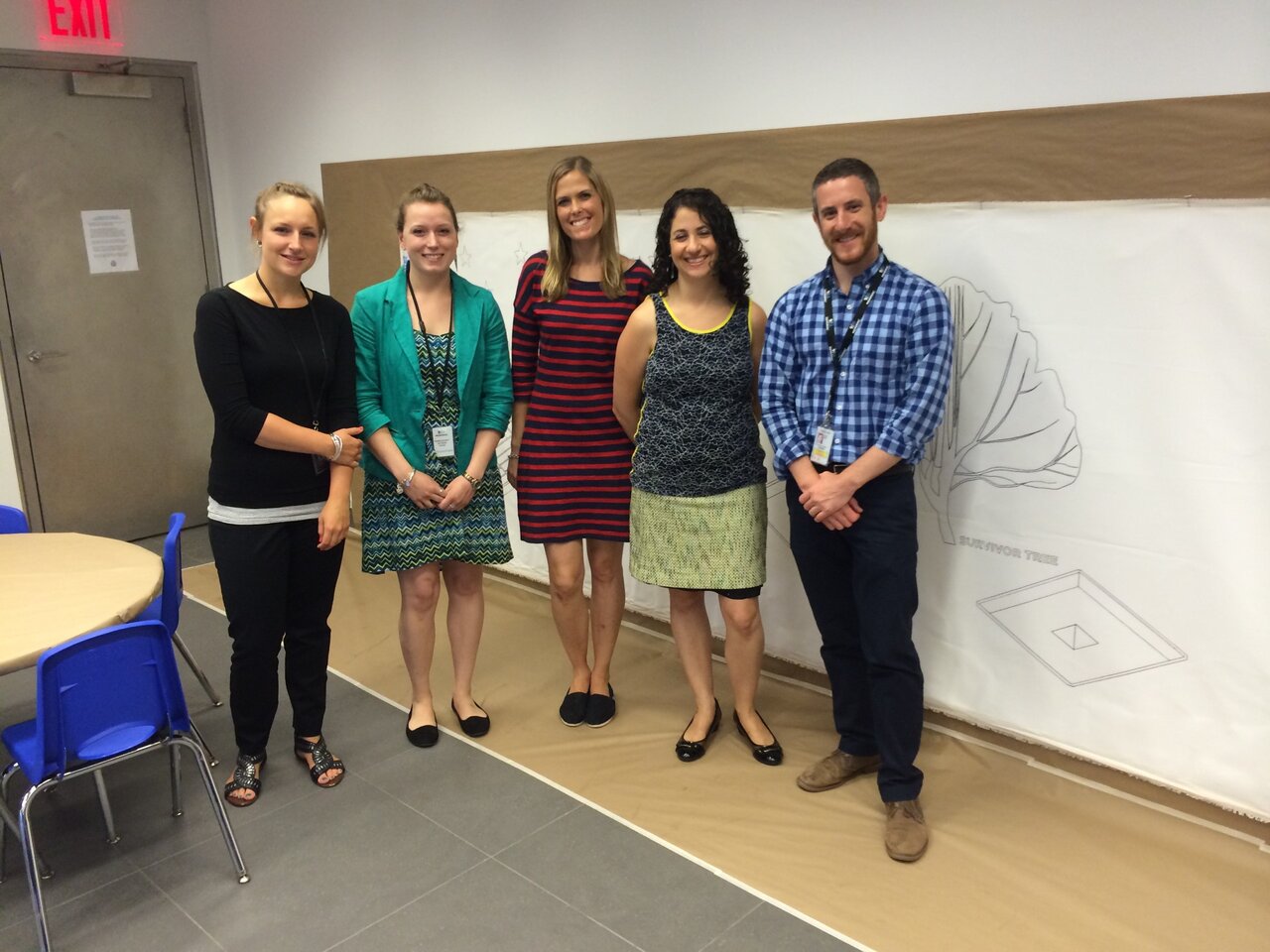
First day of education programming for the public.
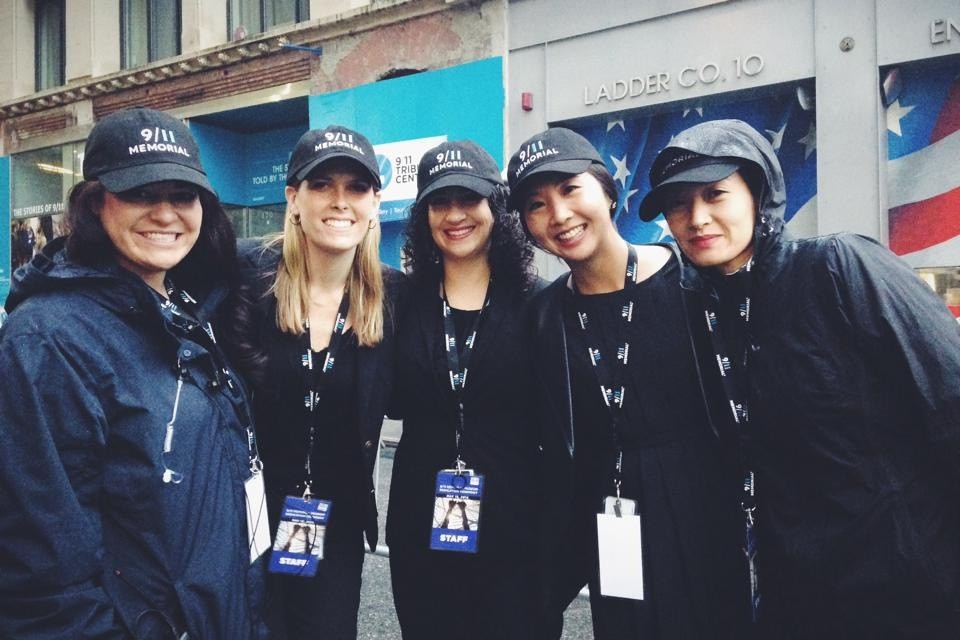
The day the 9/11 Museum opened to the public.
As time moves further from Sept. 11, the challenge of teaching about it changes.
For students born after the attacks, 9/11 is not a memory — it’s history.
Jones believes educators must acknowledge that difference rather than assuming students automatically understand the significance of the day.
One part of that is helping students understand the immediate events of Sept. 11. Another is helping them understand that 9/11 did not end when the towers fell.
“9/11 didn't exist in a vacuum,” Jones said. “It's not just something that happened and then time moved on. It's something that continues to affect the world that we live in today.”
The museum’s education programs help students explore those continuing effects and the world they will inherit. But Jones also believes students need opportunities to confront difficult questions rather than having those questions avoided.
“I've always been someone who has tried to address the most uncomfortable things because I think, you know, even as a teacher, if you don't address the hard history, you're going to have students who still want to have answers and will find them,” she said.
That is especially important in an age when students can turn to social media for answers.
“If they don't come to the classroom with curiosity, they're going to go find it somewhere else,” Jones said. “And that can be very frightening with how much misinformation and disinformation is out there.”
The museum therefore works not only with students but with the educators who teach them.
Its professional development programs and annual Summer Institute bring teachers together from across the country to learn about the history of 9/11, explore museum pedagogy and consider how storytelling can foster meaningful conversations in the classroom.
Teachers hear directly from museum experts and people with firsthand connections to 9/11, including first responders, survivors, family members and experts who can provide historical context.
The institute is designed around a multiplier effect. If the museum can equip one teacher with the knowledge and resources to tackle difficult history, that teacher can take those lessons back to dozens or even hundreds of students.
“Because they're the ones on the front lines that are going to be asked the questions and are going to, you know, are really a part of our charge as educators is to pass this history to the next generation,” Jones said.
Jones also relies on educators to help the museum understand what students need.
The museum creates its lesson plans and professional development based on feedback from teachers because, as Jones puts it, she can guess what is happening in classrooms, but she doesn't necessarily know.
That relationship helps the museum remain connected to the realities of teaching difficult history nearly 25 years after the attacks.
Jones knew that not every student or visitor could travel to New York and stand among the artifacts of the museum. So she began looking for ways to bring the stories out to the public in a more accessible way.
It began modestly in 2016 with a single webinar featuring Ada Dolch, a principal whose school sat just one block from the World Trade Center. On Sept. 11, Dolch evacuated hundreds of students through the dust cloud while her own sister remained trapped inside the North Tower. Afterward, instead of dwelling on the tragedy, she helped inspire the creation of a school for girls in Afghanistan, even naming the garden there in memory of her sister.
"Ada is so incredibly inspiring because she always talks about how she could be angry or mad but instead tries to educate," Jones said.
That first program drew about 30,000 participants. The next year, prerecorded stories allowed more schools to participate while educators answered questions live online. According to Jones, attendance climbed to 100,000.
Today, the museum’s annual program features survivors, first responders, family members and people who were themselves children or students when the attacks occurred. Their stories are filmed professionally and made available for free through the museum’s website around the anniversary of 9/11.
Students can watch the stories wherever they are and submit questions through a live chat, connecting them with Jones and her colleagues at the museum.
More than 5 million students have participated in the program, reaching more than 80 countries.
“The idea was to connect students with people who were there,” Jones said.
The program has also found audiences far beyond traditional classrooms. Libraries have screened the films for the public, as well as movie theaters and communities across the globe.
This year's speakers include sons of a firefighter killed in the attacks — one who followed in his father’s footsteps, joining the New York Fire Department (FDNY) and eventually earning the same rank on what would have been his father’s 70th birthday — and daughters who lost their fathers before choosing careers in public service themselves.
Their stories illustrate what Jones hopes students remember: not simply how people died, but how others chose to live afterward.
The museum has also expanded its virtual offerings, including live virtual tours for students in grades three through 12 who cannot travel to New York. The tours use cameras to bring students into the museum and follow the same storytelling approach as an in-person visit.
The goal is to ensure geography does not determine who gets to learn from the museum’s stories.
After years spent helping millions understand one of history's darkest days, Jones still returns to the same question she asks students — why does it matter?
"I used to start always with, 'Why are we even here? Why are we in history class?'" she said. "The 'why' is the most important question."
For every student, she believes, the answer will be different, and her job isn't to provide it but to create opportunities for students to discover it themselves.
For Jones, remembering Sept. 11 isn't ultimately about buildings, timelines or even tragedy. It’s about recognizing our shared humanity.
“I often think about the people who were trapped in the towers and faced with a ‘choiceless choice,’ circumstances no person should ever have to experience. The attacks were an attack on humanity. Yet within that horror, people also demonstrated extraordinary courage, compassion and selflessness and I think that these stories can inspire us to be the best versions of who we are - I think everyone’s capable of that.”
That is why Jones believes the stories of Sept. 11 remain relevant even to people who were not alive when the attacks occurred.
“I think 9/11 gives us an opportunity to explore our inner humanity and how really we are all more connected than we are different,” she said.
The artifacts at the museum provide a tangible connection to the past, but Jones sees herself and the museum’s educators as guides who help bring those stories forward.
“I'm just here to help bring out the story,” Jones said. “But they are the story. They're the tangible story.”
Nearly 25 years after the attacks, Jones hopes those stories can help a new generation understand something larger than what happened on that brisk September morning.
“You hope it doesn't take something like this to see it,” she said. “But I think remembering 9/11 and telling these stories and sharing these stories can help us see that at our core, despite all differences, we're all human and we are all connected.”
For a generation with no firsthand memory of Sept. 11, that may be one of the most important things to remember.