Popular music performance major strikes a chord
Through hands-on collaborative learning, the major encourages students to develop their passion for music and prepare for careers in the creative field.
Lydia Emerine, BS '28 | November 12, 2026
Share:
By expanding access to contemporary music education, Ohio University’s popular music performance major equips students with the skills and opportunities to turn their passion for music into a profession. With standout instruction and hands-on coursework, the program supports and prepares students for their future careers.
The major is housed in the School of Music in the Chaddock + Morrow College of Fine Arts. It was previously known as the contemporary music and digital instruments major; the name change more accurately reflects the major itself.
The student experience
Senior Mairin Fitzpatrick says her favorite part of the major is collaborating with her fellow student musicians in “The Lab” in Glidden Hall, which is the primary space designated for students in the major, where they take classes and rehearse.
Fitzpatrick credits Sean Parsons, professor of instruction in the School of Music, with equipping the space.
“Dr. Parsons has provided us with all of the equipment that we could possibly need to succeed as a musician, and shows us how to set up the stage for a live show,” she says.
Junior Luke McGhee echoes Fitzpatrick.
“My favorite part of the popular music major is having access to our rehearsal space,” McGhee says. “It gives me the freedom to meet with my personal band every week and work together to hone our sound.”
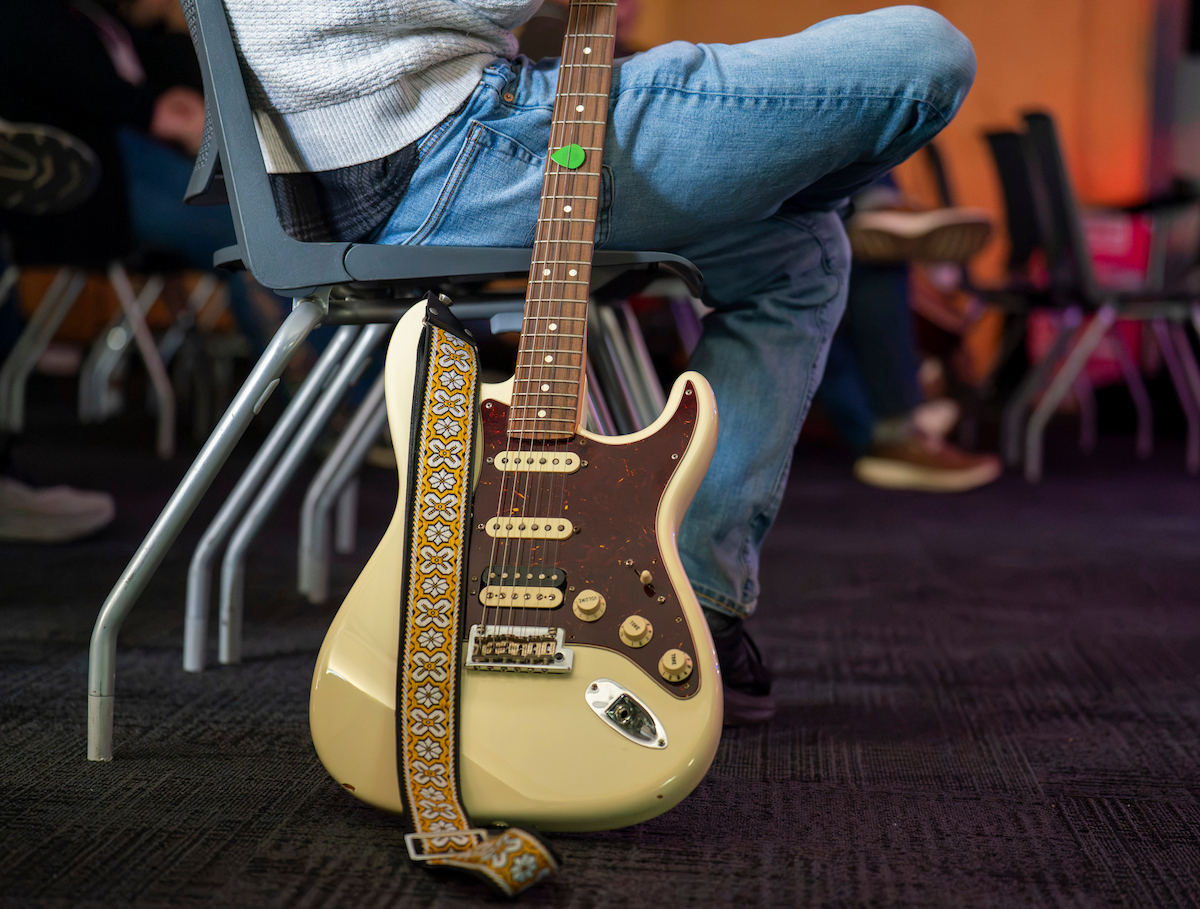
The major lets students create their own music and perform in a band with other students. Every semester, students are divided into groups, and throughout the semester they practice and perform songs together. Besides allowing students to perform, the major provides a glimpse of what it takes to be a part of today’s music world and how to work with fellow musicians.
“In class, we discuss and learn how to become better musicians and navigate being an artist in today’s world, but rehearsing with my group outside on our own time has taught me a lot about what it actually means to perform and work together as a band,” McGhee says.
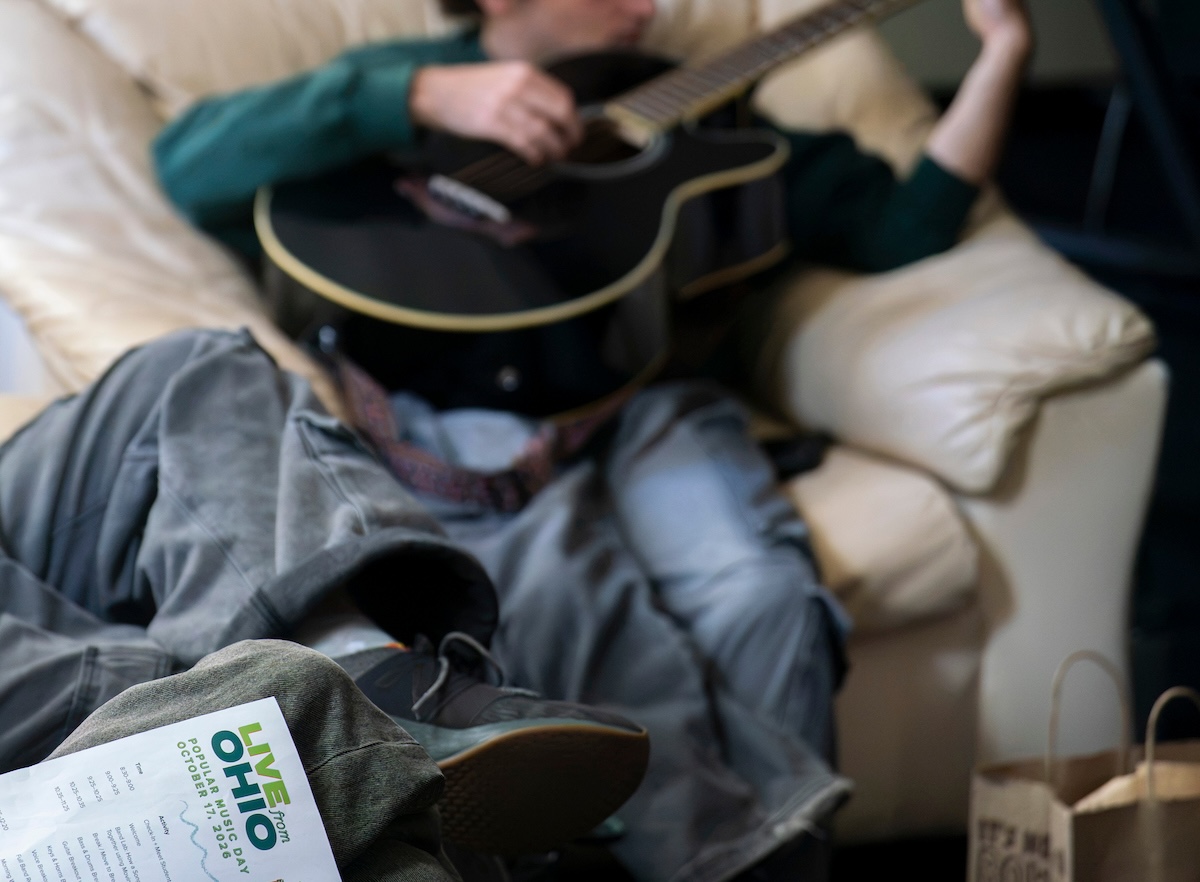
Students who graduate from the program can pursue a wide range of creative and professional paths, including careers as performing and recording artists, songwriters, session musicians, touring and backing musicians, private music instructors, ensemble directors, and music entrepreneurs.
Fitzpatrick explains that students in the popular music program learn multiple songs every semester through coursework and peer collaboration. This practice is standard for many roles in the professional music world.
“You can be pulled into the studio as a session musician and have to learn a song on the fly,” she says. “The course load also helps with this, [as it includes] multiple semesters of dictation skills and music theory.”
McGhee says guidance from faculty members has been valuable as well.
“Our instructor Dr. Parsons has also shared insight from his experience performing live and working as a professional, which has helped me grow as a musician,” McGhee says.
Welcoming visitors
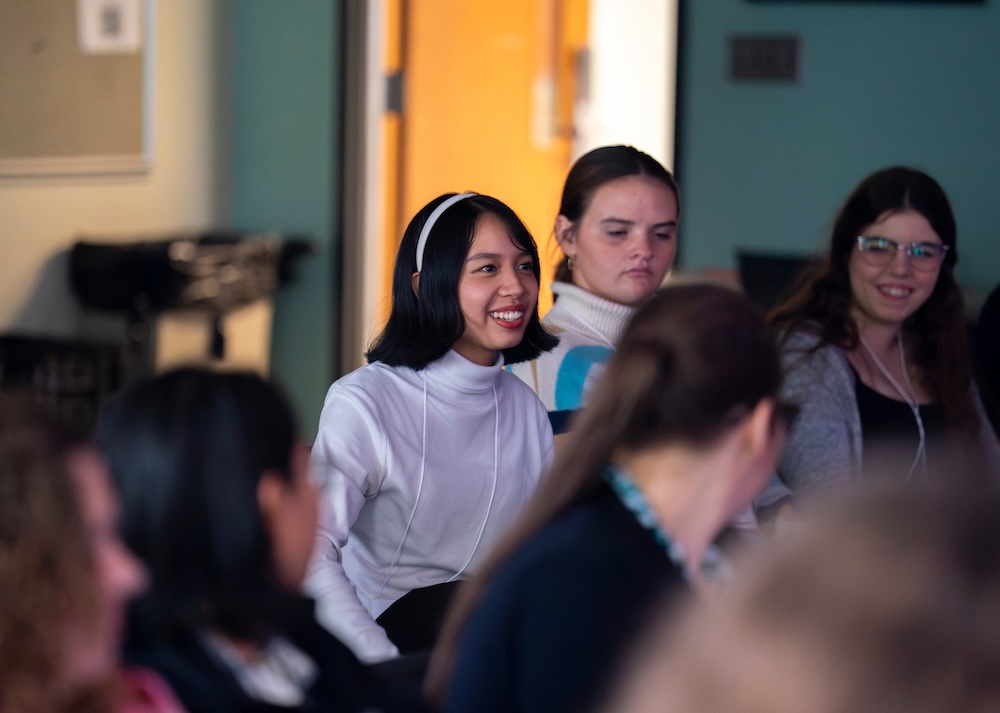
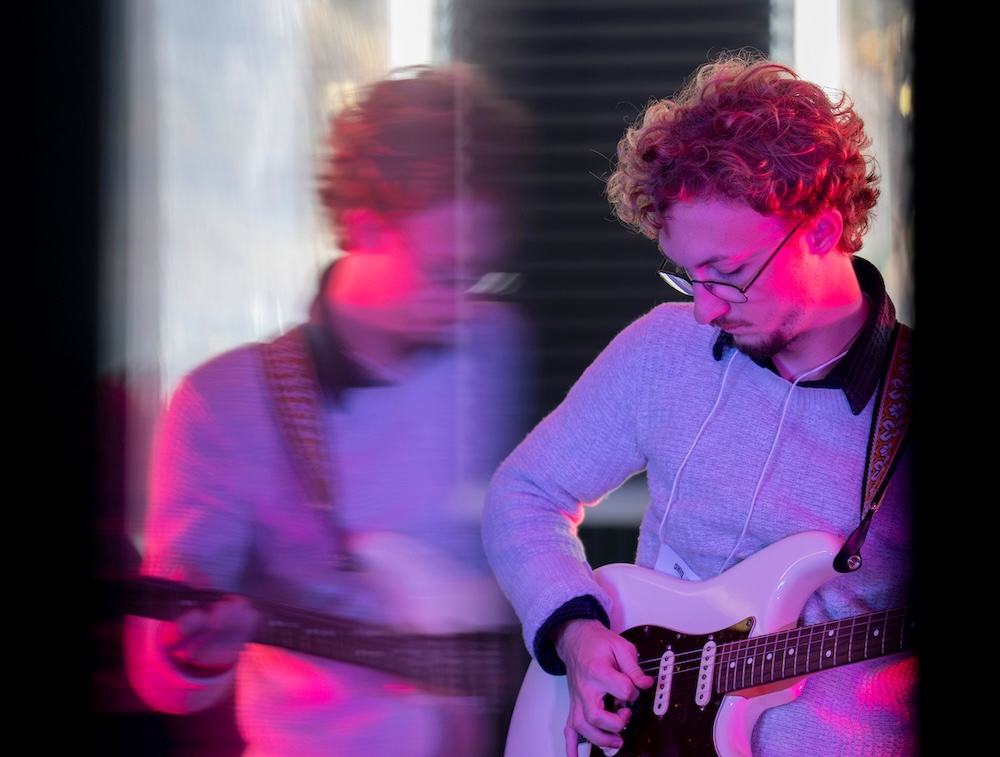
On October 17, prospective students and families came to campus for the first Popular Music Day event, hosted by the School of Music. Designed to give high school students interested in the major firsthand experience with the program, it included interaction with instructors and current Bobcats majoring in popular music performance.
Through workshops, collaborative music-making, and conversations with faculty and current students, visitors got a firsthand look at how OHIO's Popular Music program helps students develop their musicianship, explore their artistic identities, and prepare for a wide range of music careers.
Jessica Baldwin, assistant professor of instruction in the School of Music, helped organize the event, which is planned as an annual recruitment program.
“We wanted participants to experience what it feels like to be part of the popular music community at OHIO. That meant sharing their own music, singing and playing alongside our current students, and getting a sense of what it's like to belong to a community where people know you, value what you bring to the table, and are genuinely invested in helping you grow as a musician and artist,” Baldwin says.
A total of 29 participants collaborated with each other, rehearsed a song with a group, and more. The close-up insight into the program taught them something current popular music performance majors have been learning all along.
“It’s easy to think you can just learn a song, show up, and play it with a group, but it’s not always that simple,” McGhee says. “Being a popular music major has taught me not only how to prepare for each performance, but also how to take initiative and help move myself and the rest of the band forward.”