Image
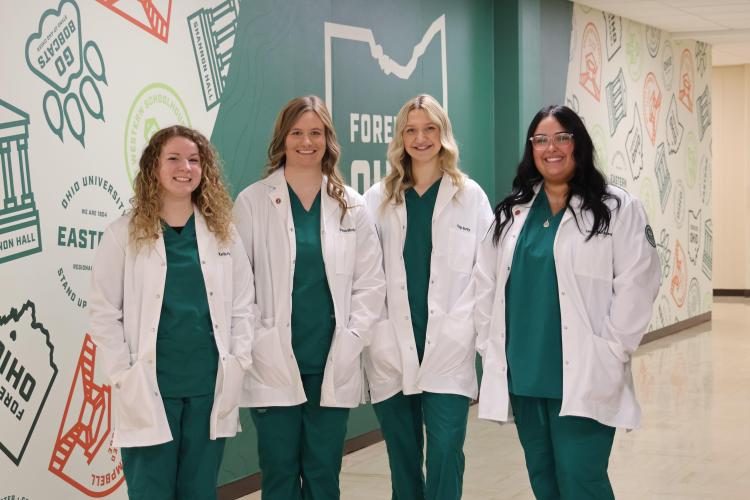
Pictured (L-R) Karlie Parker, Brianna Merkel, Paige Gorby, and Lauren McFarland
For graduating seniors Brianna Merkel and Lauren McFarland, the path to becoming a nurse has been shaped not only by their education, but by an opportunity that provided support when it mattered most.
Through a growing partnership between Ohio University Eastern and the WVU Medicine Aspiring Nurse Program, students like Merkel and McFarland have gained access to financial assistance, mentorship and hands-on experiences that are helping turn their goals into reality.
The partnership between Ohio University Eastern and WVU Medicine was established in summer 2024 as part of a broader effort to expand support for nursing students.
“The partnership with Ohio University Eastern really started as part of our effort to be more proactive about recruitment and build stronger relationships with local nursing programs,” said Heather L. Merkel, MSN, RN, CEN, director of clinical education and development at WVU Medicine Wheeling Hospital. “We connected in summer 2024 to explore ways we could better support their students, and that led to bringing on three students in fall 2024. It’s been a great way to not only support students early in their journey but also start building that connection with WVU Medicine from the beginning.”
Since its launch, five OHIO Eastern students have participated in the program, with the first four set to graduate in May. Participants include seniors Brianna Merkel, Lauren McFarland, Paige Gorby and Karlie Parker, along with Bailey Ebright, a junior.
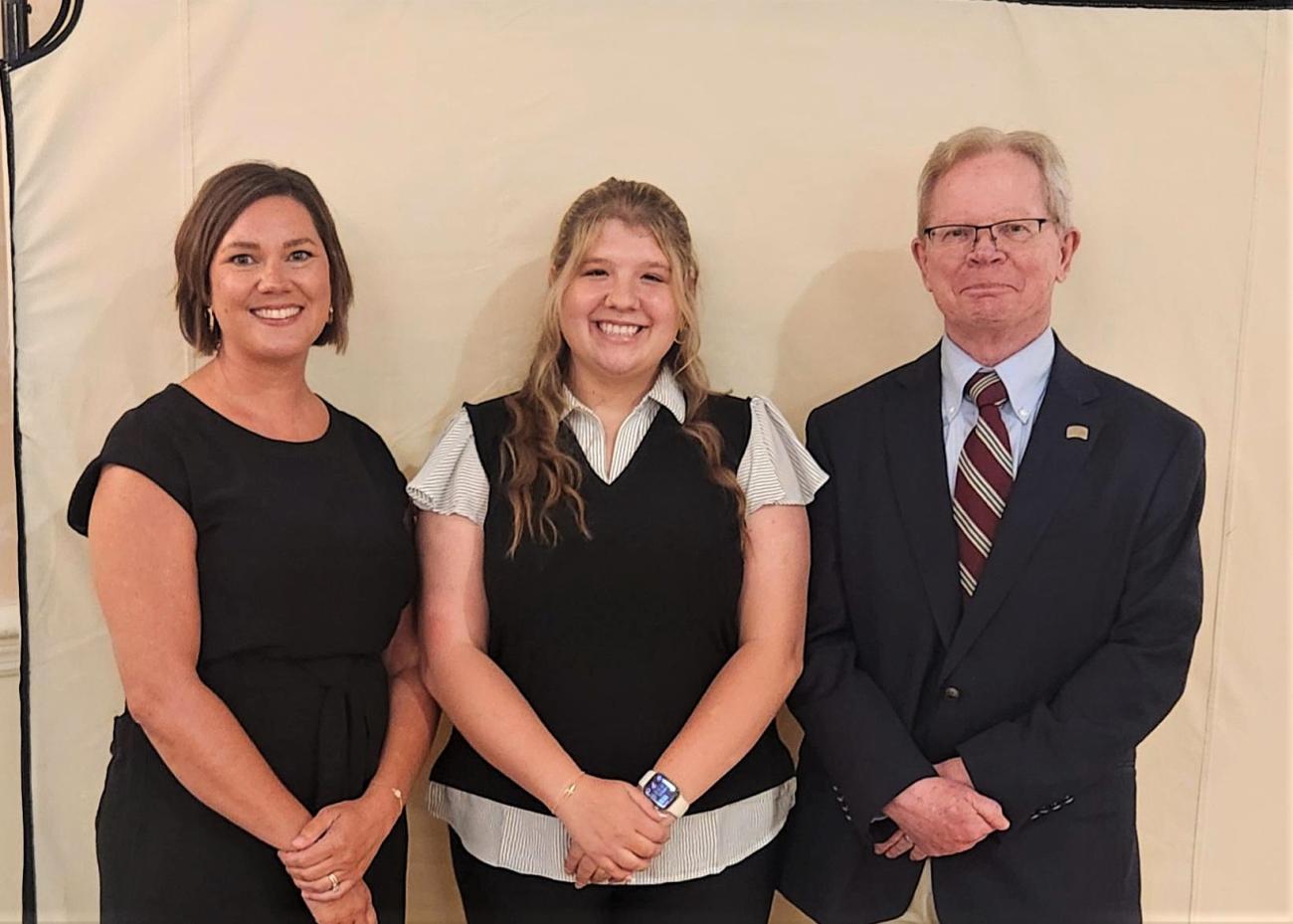
Developed in response to the national nursing shortage, the Aspiring Nurse Program is designed to support both recruitment and retention of future registered nurses. The program goes beyond tuition assistance by addressing broader socioeconomic barriers, while also offering mentorship and early integration into a healthcare system.
“The Aspiring Nurse Program really focuses on supporting the future nursing workforce by helping students reach their goal of becoming registered nurses,” Heather Merkel said. “It’s especially helpful for students who might otherwise have to step away from school due to financial pressures, because it gives them the support they need to keep going. At the same time, it helps us address the nursing needs in our community by investing in those future nurses early on.”
For Brianna Merkel, who was one of the first OHIO Eastern students accepted into the program, that support has made a lasting impact.
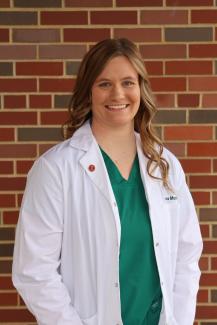
“Being part of the WVU Medicine Aspiring Nurse Program has been incredibly meaningful to me, both personally and professionally,” Brianna Merkel said. “It has given me a strong sense of support and belonging during a very challenging time in my education. I feel more confident in my path and more motivated to succeed because of the opportunities this program has provided.”
McFarland, also a graduating senior and member of the first cohort, shared how the program has shaped both her confidence and her future.
"The Aspiring Nurse Program has helped shape both my experience as a student and my future as a nurse,” McFarland said. “It has been such a beneficial opportunity, giving me support, guidance and real-world exposure that has helped me grow into a more confident and prepared nursing student. The program has also provided me with a clear path into my future career by offering me a position with WVU Medicine after I graduate and pass my boards. Knowing I have that opportunity ahead of me has motivated me to stay focused, work hard and continue developing the skills needed to provide compassionate, high-quality patient care.”
Faculty at OHIO Eastern say the program represents an important step forward in preparing students for the realities of today’s healthcare environment.
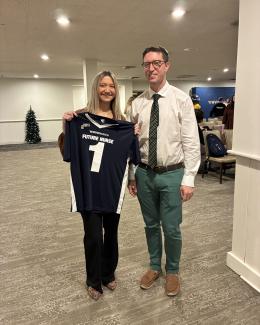
“WVU Medicine’s Aspiring Nurse Program represents a forward-thinking investment in both student success and the sustainability of the healthcare workforce,” said Matt Fox, associate professor and associate director of nursing at Ohio University Eastern. “By providing financial support, structured mentorship and clinical placements, these initiatives reduce barriers that often deter capable students from pursuing or completing a nursing education program.”
Fox added that the program not only strengthens students’ clinical skills but also helps them transition more confidently into professional roles while addressing critical workforce needs in the region.
“Programs like this cultivate a pipeline of well-prepared, community-oriented nurses who are more likely to remain in the regions they train,” Fox said. “As healthcare systems face increasing complexity and demand, partnerships between academic institutions and clinical organizations are essential to developing a resilient, skilled and future-ready nursing workforce.”
As the first cohort of OHIO Eastern students prepares to graduate, the impact of the program is already clear. What began as a strategic partnership has become a pathway of support, opportunity and connection, helping students stay on track, complete their education and step confidently into careers that will serve their communities for years to come.