Image
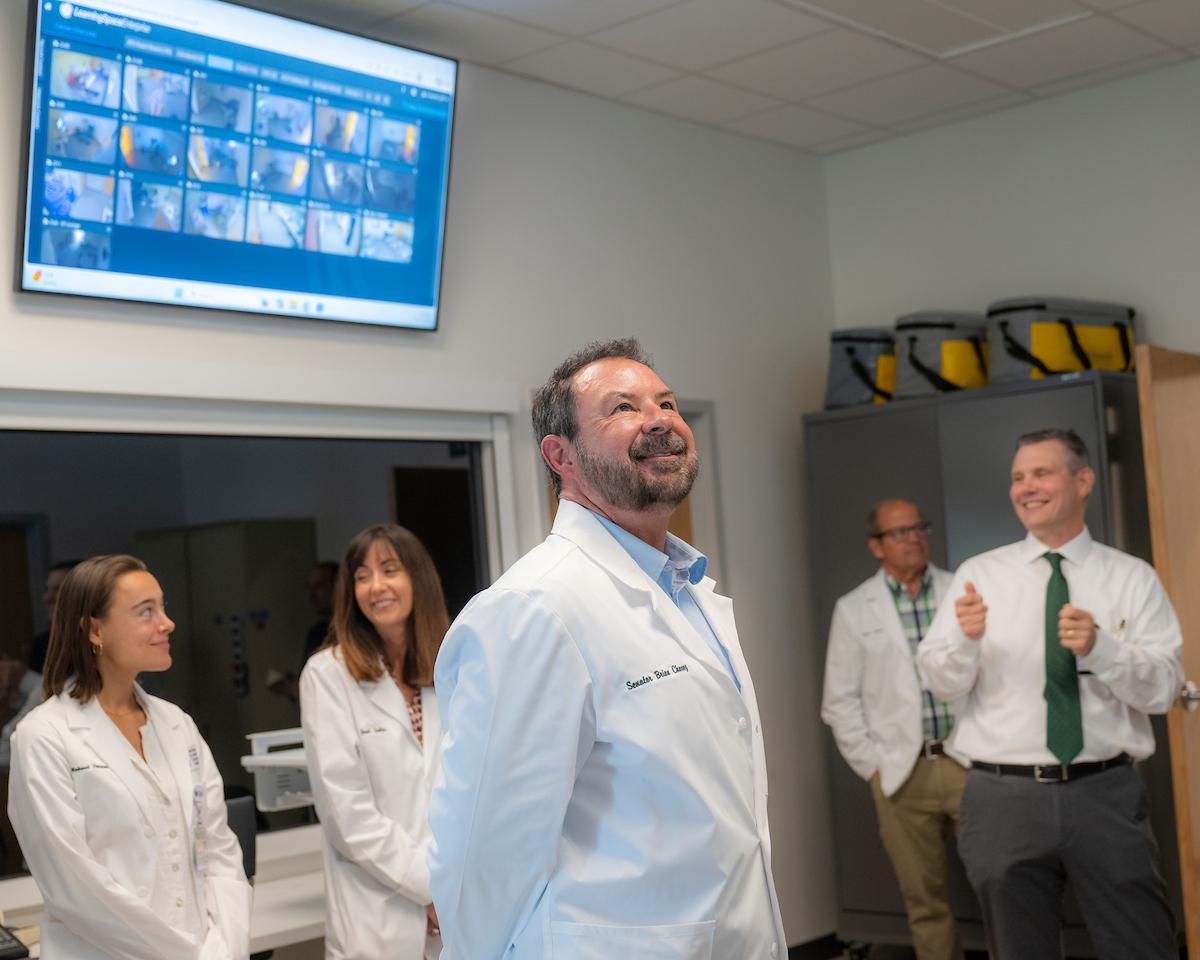
For the first time, the Ohio University Heritage College of Osteopathic Medicine invited state lawmakers to step into the shoes of medical students through a new program called “DO for a Day,” giving participants a firsthand look at medical education and the challenges of addressing Ohio’s physician workforce shortage.
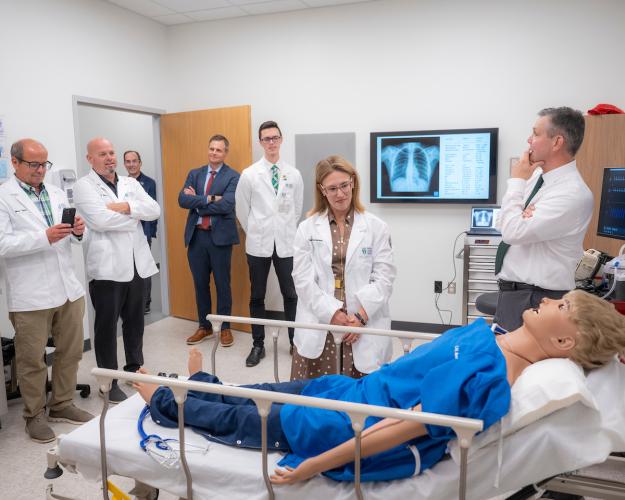
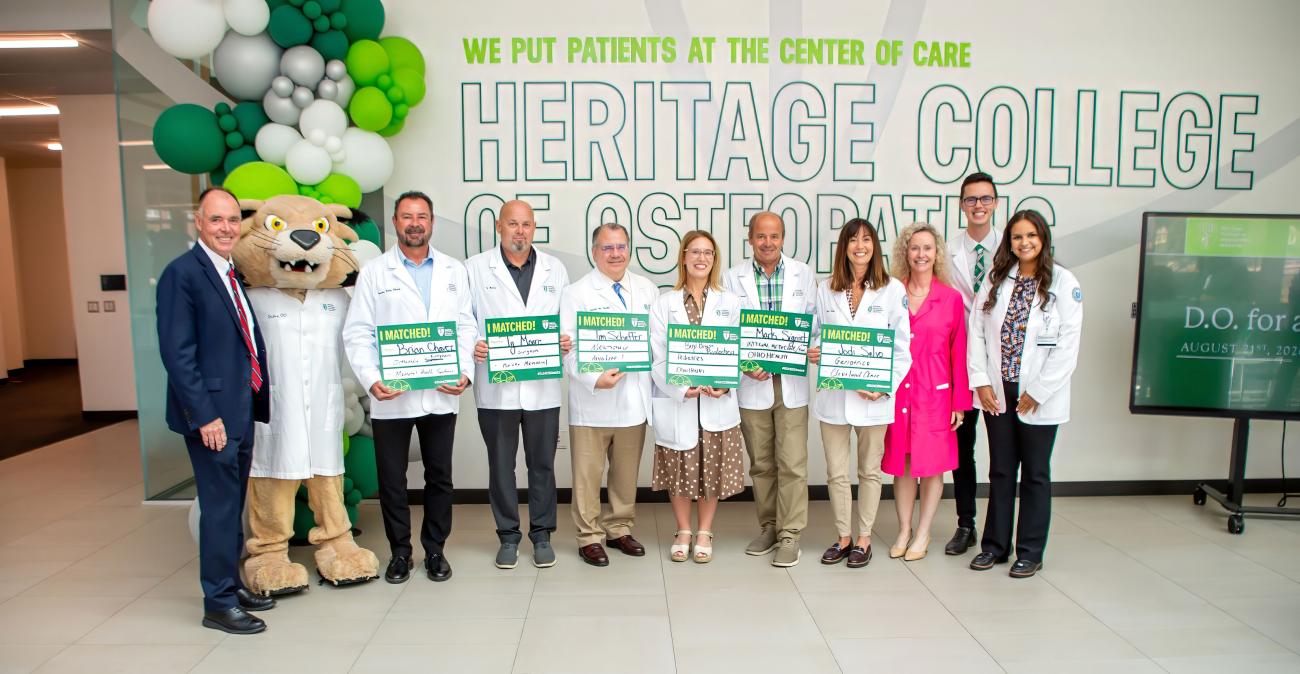
Six state legislators took part in the day-long experience, which condensed four years of medical school into a single day. Participants progressed through milestones familiar to any medical student, including a white coat ceremony, anatomy and histology instruction, osteopathic manipulative medicine training, clinical skills education, career counseling, a Match Day celebration and a graduation ceremony complete with diplomas.
The program was designed to help policymakers better understand the training physicians undergo and the role the Heritage College plays in preparing doctors to practice in communities across Ohio, particularly in underserved regions.
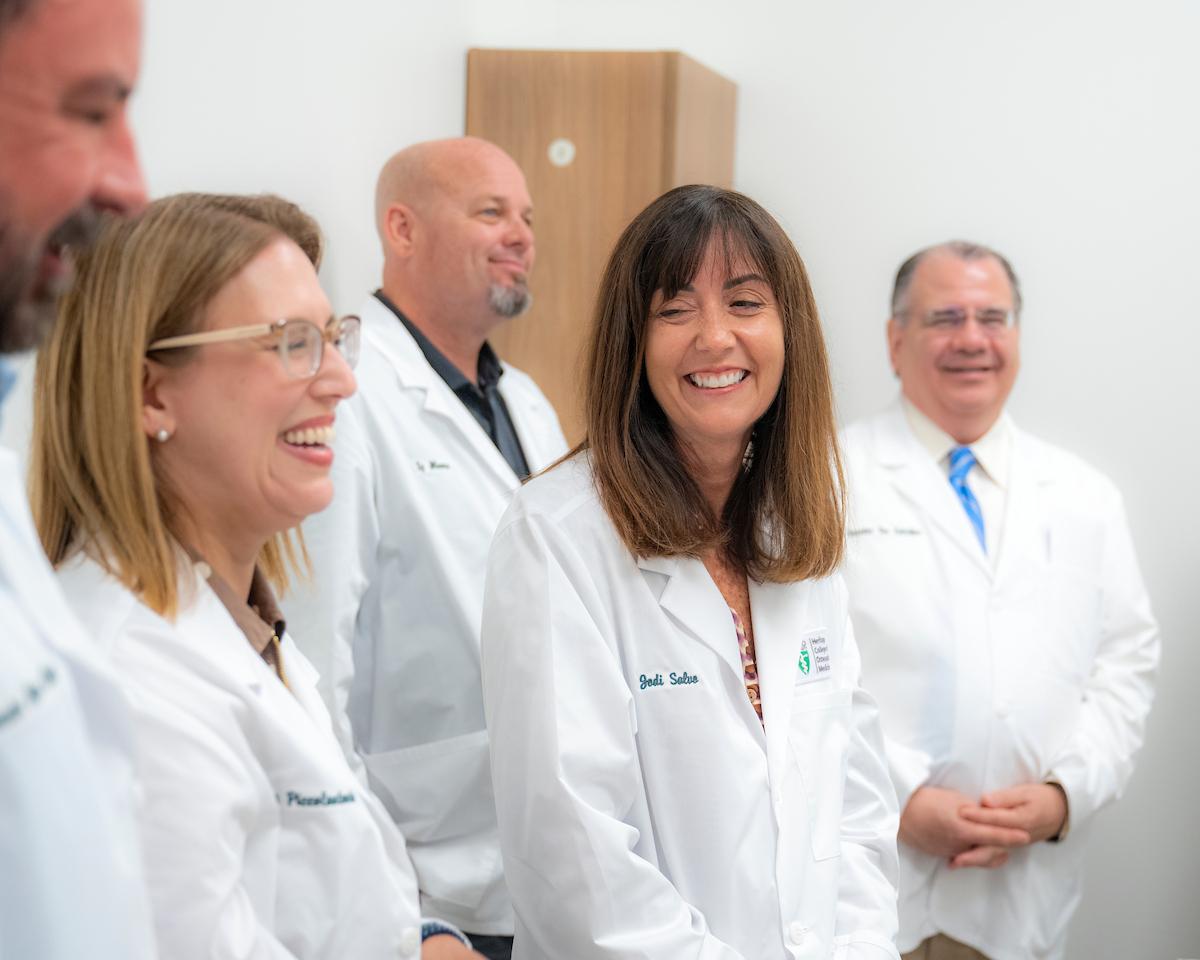
“This was truly a privilege, a great learning opportunity for us,” said Ohio Rep. Jodi Salvo. “Being in the legislature, it’s super helpful to understand what we’re investing in, where there are opportunities, where there’s challenges. I think it was helpful for us to really understand how we can better support the medical program, our students and what we need to do to make sure we have the care we need throughout Ohio.”
Ohio University President Lori Stewart Gonzalez welcomed the lawmakers and highlighted the importance of the college to both the University and the state. She noted that many Heritage College graduates – 60 percent – remain in the state after completing their training. Additionally, the Heritage College is a top producer of graduates practicing in primary care and in rural and underserved areas.
“The medical school is really one of the jewels of our campus, and frankly, it’s a jewel in Ohio,” Gonzalez said. “What you have in the leadership across the state at the osteopathic school are people who care deeply about patients. Osteopathic medicine believes you treat the whole patient. These students are learning that compassionate care.”
Jennifer Gwilym, D.O. (‘03), interim senior dean of the Heritage College, told legislators they would experience a broad range of medical school activities. She emphasized the college’s early focus on hands-on clinical training.
“By the end of the first year of medical school, our students can perform a full physical exam,” Gwilym said. “They perfect those skills over the years, and they are very comfortable when they head out to residency and when they come out and treat us as patients.”
Gwilym also stressed that training future physicians requires strong partnerships with hospitals, health systems, communities “and more importantly, state leaders like you."
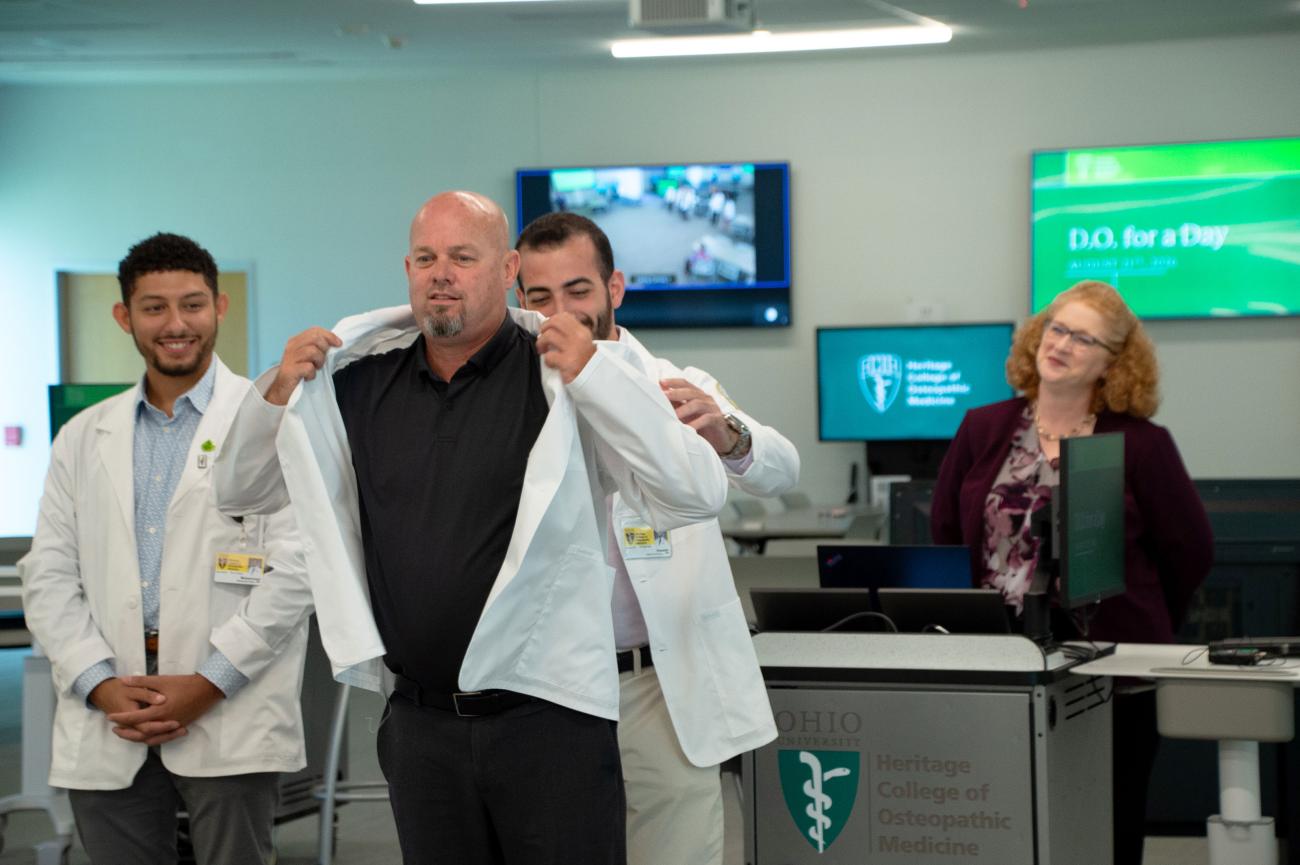
Legislators receive their white coats
The day began with the White Coat Ceremony. Current medical students coated the legislators while college leaders explained the history and symbolism of the white coat and the values of osteopathic medicine.
“Never lose sight of the human side of medicine,” Jill Harman, senior director of admissions and recruitment, told participants. “The empathy, kindness and respect that help patients feel seen, heard and cared for as whole people, not just the condition they present with. These are the values that define the osteopathic profession and distinguish the Heritage College.”
One of the most memorable parts of the experience came in the anatomy laboratory, where legislators learned about the Heritage College’s body donor program from Larry Witmer, Ph.D., professor of anatomy and Chang Ying-Chien Professor of Paleontology.
“We want our students, in a sense, to get to know their donor as they actually are,” Witmer said. “Many of our students refer to the donor as their first patient.”
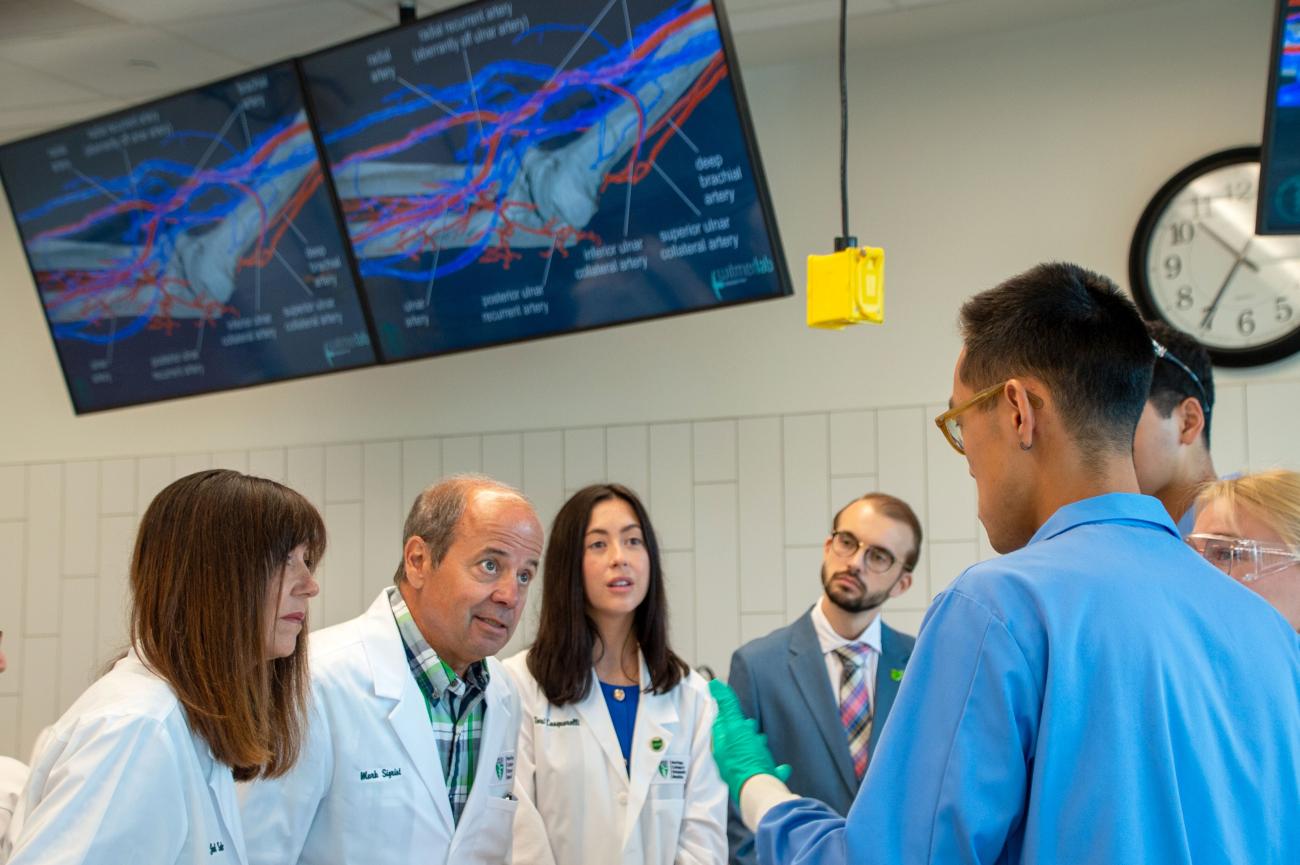
Witmer explained that anatomy education is about more than learning body structures.
“We’ve got some serious learning to do, but we never want to lose sight of the humanity of our donor,” he said.
He described gross anatomy as “one of the most fundamental things that we do in med school” and said no digital simulation can fully replace the experience.
“The reality is there is no substitute for what you see in front of you right now,” Witmer said. “I want to know that my doctor went through this experience, that my doctor has actually held a human heart in her hand and knows what it’s like in real, 3D anatomy.”
Lawmakers also visited the osteopathic manipulative medicine lab, where Nicklaus Hess, D.O. (‘12), assistant clinical professor and clinical assistant dean of the Western Unit, introduced them to hands-on treatment techniques.
“Welcome to the most important class you’re going to have in the next four years,” Hess said before adding that osteopathic manipulative medicine remains one of the profession’s most distinctive features. “When people ask about the relevance of osteopathic medicine in the 21st century, I can say, what is not relevant about it.”
Students connect with lawmakers
Throughout the day, legislators interacted with current students who shared their experiences and discussed the realities of medical education.
Ryan Steere, a second-year student and Student Government Association president on the Athens campus, said the opportunity to speak directly with lawmakers was meaningful.
“A big initiative of student government is to advocate for the students,” Steere said. “We love the opportunity to just talk, to share our experiences.”
“This is such an inspiration to see young students doing what you guys are doing,” Ohio Rep. Mark Sigrist told Steere. “You’re serious, disciplined and employing a family atmosphere that’s here to bring everyone up and help everyone succeed…that’s not common at other institutions. So, to see all this today is just really special.”
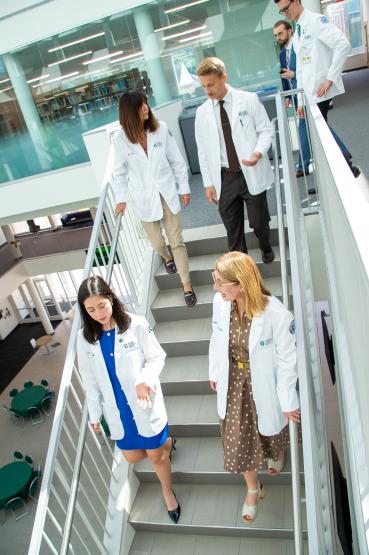
Lydia Winter, a second-year student and SGA director of community outreach, said connecting policymakers with students helps put a face to the decisions made in Columbus.
“I want to make a personal connection and for them to know, ‘Oh, I know this med student at OU. This bill is going to affect Lydia,’” Winter said. “Just the opportunity to make some connections and represent our school is always a good thing.”
“The best part of the day was the interaction with students,” said Ohio Rep. Beryl Brown Piccolantonio. “The opportunity to hear from them – like why they chose to come here, why they chose to go into medicine at all, that’s been the best part.”
For Ohio Sen. Tim Schaffer, the experience provided valuable insight into the demands placed on both students and medical schools.
“It was very educational because we’re used to viewing everything from a 30,000- or 40,000-foot level,” Schaffer said. “To actually experience different pieces of it in a day was very, very helpful.”
Schaffer also praised the Heritage College’s role in addressing Ohio’s health care needs.
“We need more primary care, and OU is certainly providing that,” he said. “I was pretty impressed with the innovation here.”
At the end of the day, a mock graduation ceremony was held for the lawmakers, which also included Rep. Ty Moore and Sen. Brian Chavez. The ceremony was led by Ken Johnson, D.O., vice president for Health Affairs and senior strategist for health partnerships.
“We didn’t train you for the past, we trained you for the future,” Johnson told participants. “We gave you the skills you need to take care of anybody who walks through the door.”