Image
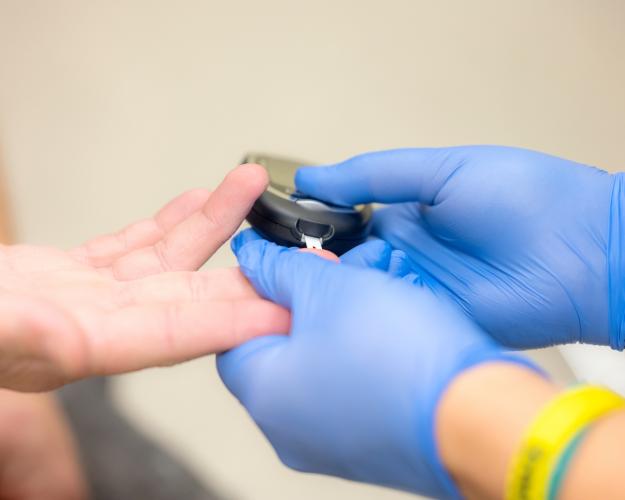
Individuals recently diagnosed with Type 2 diabetes need stronger psychosocial support to help them cope with the emotional, social and practical challenges of living with diabetes. That is the key finding of a study coauthored by Ohio University researcher Elizabeth Beverly, Ph.D.
The study, recently published in Diabetes, Obesity and CardioMetabolic CARE, examined the experiences of 30 adults within nine months of receiving a Type 2 diabetes diagnosis. Through in-depth interviews, researchers found that adjusting to life with diabetes involves much more than managing blood sugar. Participants described emotional stress, fear, uncertainty, barriers to social support and challenges navigating lifestyle changes, medications and the health care system.
“When you think about diabetes, it requires constant daily decision making. It is emotionally exhausting,” said Beverly, president-elect of health care and education for the American Diabetes Association and Osteopathic Heritage Foundation Ralph S. Licklider, D.O., Endowed Professor of behavioral diabetes at the Heritage College of Osteopathic Medicine.
Unlike many health conditions that require occasional treatment, diabetes demands ongoing attention throughout the day. People must take medications, monitor glucose levels, make food choices, stay physically active, attend medical appointments, get regular eye exams and perform foot checks to watch for potential complications.
For many people with diabetes, those responsibilities can create a significant emotional burden.
“If you’re living with diabetes, you’re thinking about your glucose numbers all the time,” Beverly said. “Others don’t have to think about that.”

The study, led by Elizabeth Unni of Touro University New York, along with Clipper Young and Tristan Rath of Touro University California and Beverly, found that many participants felt overwhelmed as they worked to integrate diabetes management into their daily lives.
Even routine activities can become more complicated.
“Let’s say you’re going to go away for a weekend. If you have diabetes, you have to plan for everything you’re going to do from taking your medicine to storing it, and having food available,” said Beverly. “You have to account for all those variables. You can’t just pack clothes and go.”
The emotional impact of diabetes can also affect mental health. One of the most common psychosocial challenges is a condition known as diabetes distress. Beverly explained that diabetes distress is the emotional burden of living with diabetes.
“It’s the constant daily demands. It’s the frustration of the self-care. It’s the worries about complications. It’s the concerns you might have about the quality of care or the cost of care that you have. It’s also about whether you’re getting enough social support from your family and friends. That’s diabetes distress,” she said, adding that people may experience more than one mental health condition at a time, making support and early intervention very important.
The study’s research team pointed out that there is a gap in primary care and suggest that newly diagnosed individuals need more comprehensive support during the critical first months after diagnosis. Such support should address emotional well-being, personalized education, practical lifestyle guidance and access to health care services.
Beverly emphasized that diabetes management extends beyond medical treatment and affects nearly every aspect of a person's life.
“People don’t just manage their diabetes in a vacuum. So, when you have diabetes, you’re taking it home with you, you’re taking it to work with you,” said Beverly. “When I say psychosocial, I think that’s a much better way to look at it because you manage it wherever you go.”